100, Mohangirikrupa estate, Deluxe Wafer Lane, Nr Jupiter Cross Road, GIDC Makarpura, Vadodara


Plastic components have become an integral part of modern manufacturing, serving industries that demand precision,…
- Engineering Guides
- 5 minute read
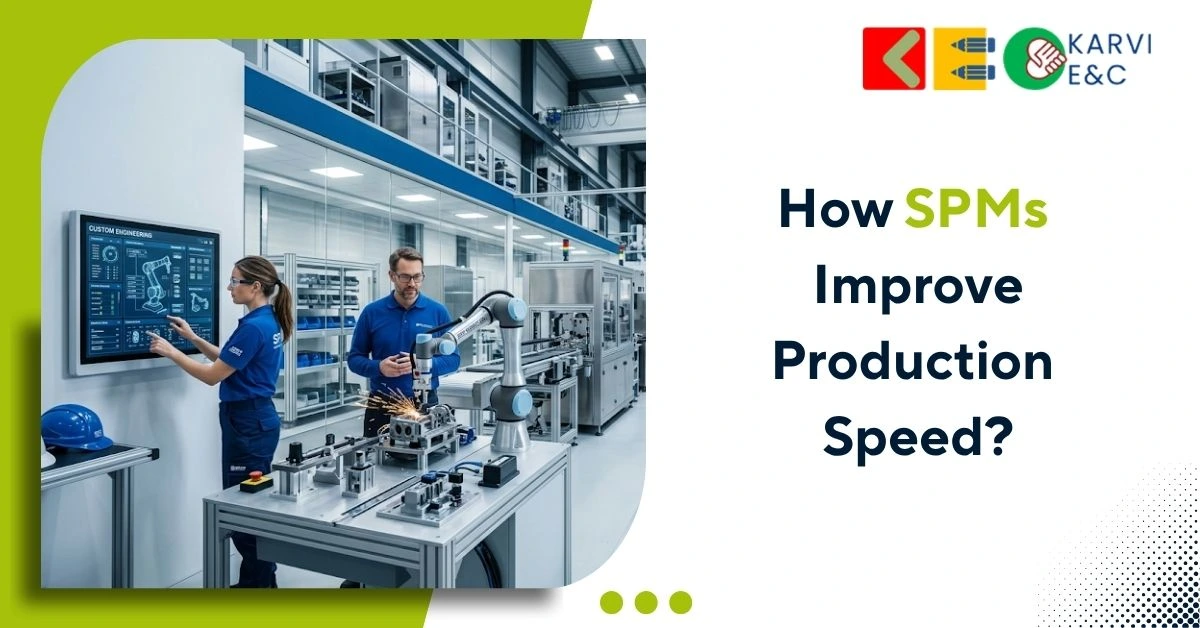
Manufacturing industries often face challenges such as slow production cycles, manual dependency, process inconsistency, and operational bottlenecks. Improving production speed requires more than increasing machine capacity. Sustainable manufacturing performance depends on systems designed for process precision, workflow efficiency, and reliable automation.
Across modern production environments, Special Purpose Machines play an important role in accelerating manufacturing operations through customized engineering and process-specific automation. Unlike standard machinery, Special Purpose Machines are developed to address unique production requirements, helping industries achieve faster cycle times and improved operational efficiency.
By integrating custom automation with manufacturing requirements, organizations can improve throughput while maintaining quality and reliability.
Understanding Special Purpose Machines and Their Role
Modern manufacturing increasingly depends on Special Purpose Machines to improve production efficiency and support process automation.
Special Purpose Machines are custom-engineered systems developed to perform dedicated manufacturing operations that conventional machines may not handle efficiently. These machines are designed according to production requirements, operational complexity, and output expectations.
Common objectives of SPM implementation include:
- Faster production cycles
- Reduced manual intervention
- Improved repeatability
- Better process control
- Higher production accuracy
- Consistent manufacturing quality
Through customized engineering, SPMs help manufacturers create efficient and scalable production environments.
Why Production Speed Matters in Manufacturing?
Production speed directly affects manufacturing competitiveness and profitability.
Slow operations can lead to:
- Delayed deliveries
- Higher operational cost
- Reduced throughput
- Workforce inefficiencies
- Increased downtime
- Lower production flexibility
Manufacturers seeking long-term efficiency often implement Special Purpose Machines to address these operational limitations and strengthen production performance. Custom automation enables manufacturing systems to perform repetitive and complex operations with improved speed and consistency.
Looking to implement SPMs in your manufacturing processes? Contact us today for expert guidance and customized automation solutions.
How SPMs Improve Production Speed?
Production efficiency improves when machines are engineered specifically for the manufacturing process. Many industrial facilities rely on Special Purpose Machines because these machines are designed around operational requirements rather than generic applications.
Speed improvements commonly result from:
- Dedicated process automation
- Reduced setup time
- Continuous production flow
- Improved material handling
- Faster assembly operations
- Reduced operator dependency
- Better production line synchronization
- Higher process repeatability
By eliminating unnecessary process delays, SPMs support smoother manufacturing operations and improved production output. Custom machine engineering allows organizations to perform multiple manufacturing tasks with greater accuracy and reduced cycle time.
Production Challenges and SPM Benefits
| Manufacturing Challenge | How SPMs Help |
| Slow cycle time | Faster automated operations |
| Manual dependency | Reduced operator involvement |
| Process inconsistency | Improved repeatability |
| Production bottlenecks | Streamlined workflow |
| Quality variation | Better process control |
| Downtime | Stable and reliable operation |
This engineering-focused approach helps manufacturers improve speed without compromising manufacturing quality.
Application of Special Purpose Machine Across Industries
The Application of Special Purpose Machines systems extend across multiple industrial sectors. Different industries use customized automation depending on manufacturing requirements and operational complexity.
Common applications include:
- Assembly automation
- Welding systems
- Inspection and testing systems
- Material handling systems
- Packaging automation
- Precision machining operations
- Component manufacturing
Across automotive, industrial equipment, electronics, and heavy engineering sectors, SPMs help improve manufacturing productivity and production speed. Industry-specific engineering ensures machines align closely with operational goals and manufacturing standards.
SPM Production and Manufacturing Efficiency
Manufacturing performance depends not only on machine speed but also on production stability and workflow integration. Through efficient SPM Production, manufacturers can build systems that integrate smoothly with existing production environments while minimizing disruption.
Well-designed automation systems help organizations achieve:
- Higher throughput
- Reduced production delays
- Lower operational cost
- Improved quality consistency
- Better machine utilization
- Reliable manufacturing performance
Because every manufacturing environment is different, Special Purpose Machines are developed with process flexibility and long-term operational value in mind. This supports both immediate production improvement and future manufacturing scalability.
Special Purpose Machines Manufacturers and Engineering Expertise
Selecting reliable Special Purpose Machines Manufacturers is critical for achieving desired production outcomes.
Machine development requires more than fabrication capability. Effective SPM engineering depends on:
- Process understanding
- Automation expertise
- Design validation
- System integration capability
- Performance-focused engineering
Experienced manufacturers design machines that align with production goals while supporting operational safety and reliability. Through engineering-led execution, Special Purpose Machines become strategic investments that improve manufacturing performance and competitiveness.
Frequently Asked Questions
SPMs are Special Purpose Machines designed to perform specific manufacturing operations through customized engineering and automation.
Through dedicated automation and process-specific design, SPMs reduce cycle time, improve workflow, and minimize manual intervention.
Special Purpose Machines are used in automotive, electronics, heavy engineering, industrial equipment, and precision manufacturing industries.
Applications include assembly automation, testing, inspection, material handling, machining, and production line automation.
Unlike standard equipment, SPMs are engineered for specific manufacturing requirements, resulting in better speed, efficiency, and process control.
Conclusion
Improving production speed requires manufacturing systems designed around operational requirements and production goals. Through custom automation and process-specific engineering, Special Purpose Machines help manufacturers reduce delays, improve workflow efficiency, and strengthen operational reliability.
From assembly automation to advanced production systems, Special Purpose Machines support faster and more efficient manufacturing operations. With the right engineering approach, SPMs become valuable assets for achieving higher productivity and long-term manufacturing competitiveness.
Application of Special Purpose MachineSpecial purpose MachinesSpecial Purpose Machines ManufacturersSpecial Purpose Machines SPMsSPM Production
Related Posts
Modern manufacturing depends on precision, repeatability, and process consistency to produce high-quality products at scale…
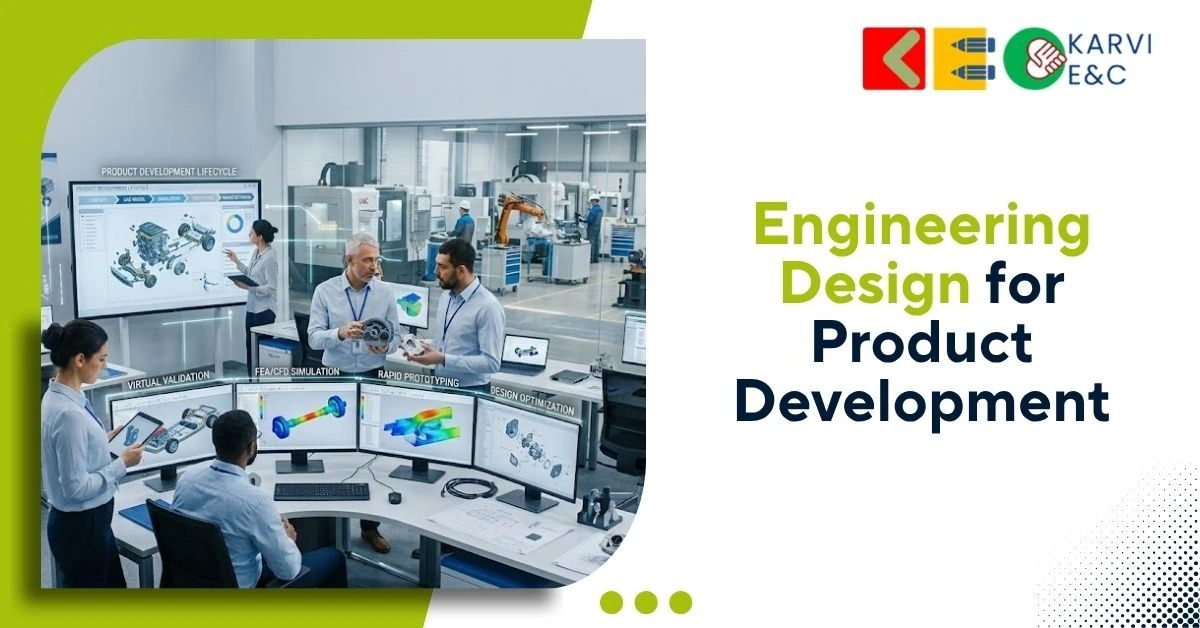
Developing a successful product requires more than an innovative idea. Manufacturers must ensure that every…