100, Mohangirikrupa estate, Deluxe Wafer Lane, Nr Jupiter Cross Road, GIDC Makarpura, Vadodara



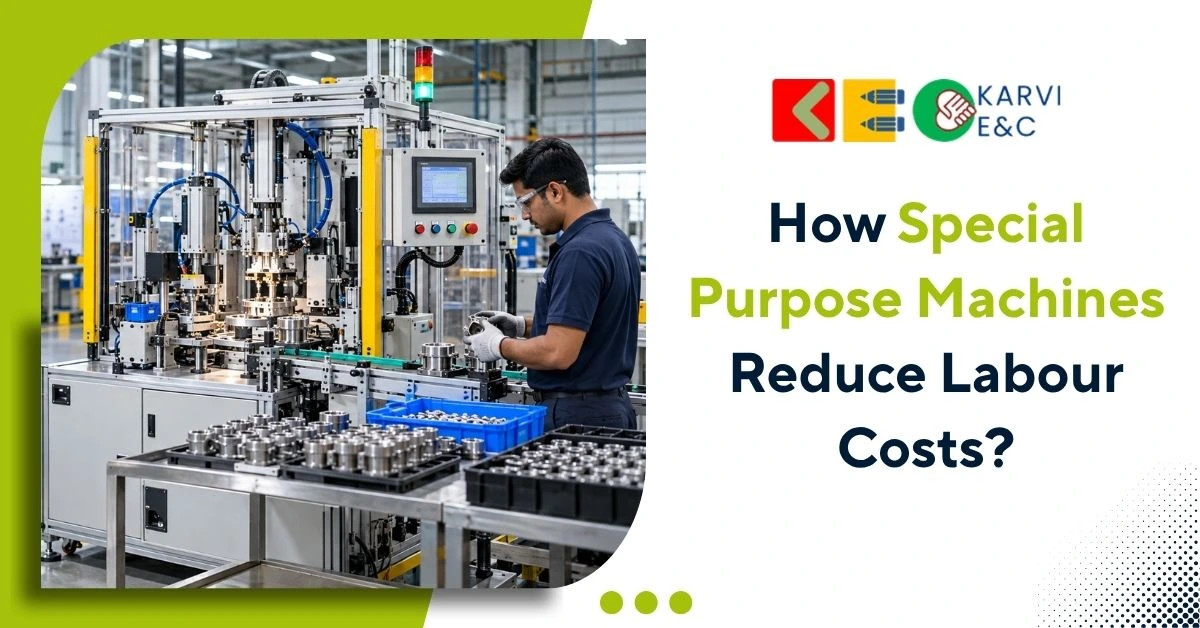
Manufacturing companies are constantly looking for ways to control operating costs without compromising productivity or…
- Productivity Tips
- 6 minute read
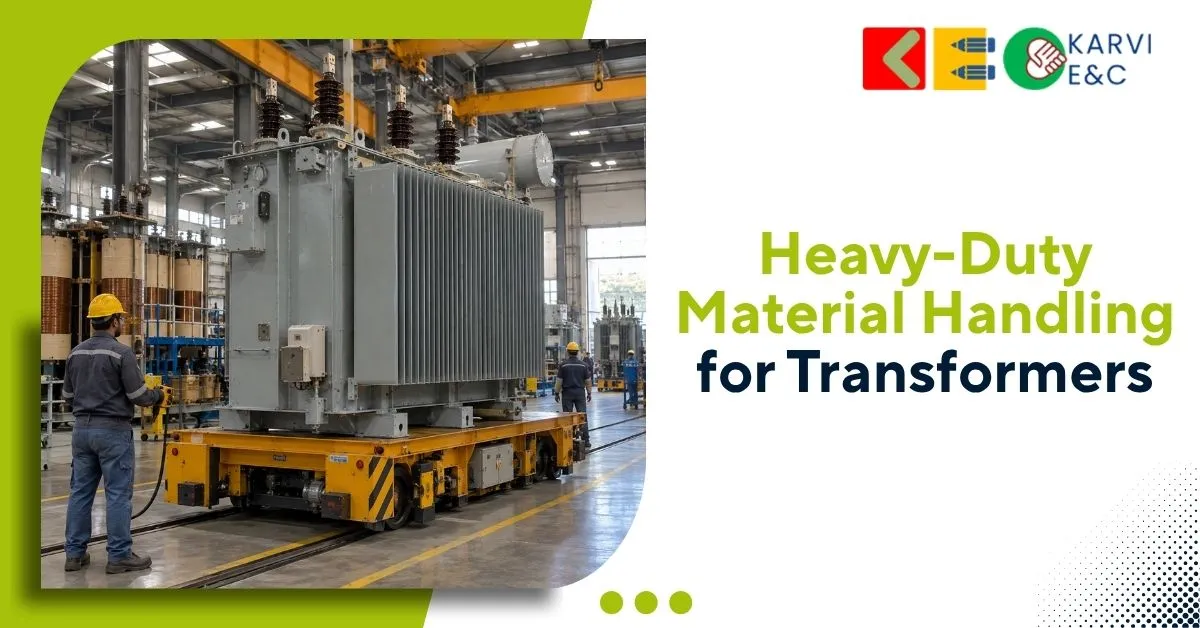
Transformer manufacturing involves handling large, heavy, and often delicate components throughout assembly and production. Moving windings, cores, tanks, and other assemblies manually can create safety risks, handling difficulties, and workflow delays. A properly planned Transformer Material Handling system helps manufacturers move these components safely while maintaining a smoother and more organized production flow.
For heavy-duty transformer facilities, material handling is therefore not simply about transportation. It involves selecting suitable equipment, designing efficient movement paths, and integrating handling systems with assembly operations.
Why Material Handling Matters in Transformer Manufacturing?
The scale and weight of transformer components make internal movement a critical part of production planning. Inefficient handling can increase manual effort, create bottlenecks, and expose components to unnecessary movement or impact.
A well-designed Transformer Material Handling approach can support safer movement between assembly stations, storage areas, ovens, testing locations, and other production zones. It can also improve accessibility for operators working around large assemblies.
The handling system should be designed around factors such as:
- Component weight and dimensions
- Movement distance
- Floor layout
- Required lifting or positioning
- Production frequency
- Operator access and safety
- Environmental conditions
Handling Heavy Transformer Components Safely
Transformer components often require controlled movement because they can be both heavy and sensitive to handling conditions. Windings, for example, need suitable support during transportation to minimize the possibility of damage or misalignment.
Specialized Transformer Material Handling equipment can provide greater stability during movement. Karvi Engineering develops winding handling stations and trolleys specifically for the safe movement of transformer windings during manufacturing and assembly.
For larger components, high-capacity electrical trolleys can be engineered to transport loads of up to 40 tons within the production facility. These systems provide a controlled alternative to improvised material movement methods while supporting heavy-duty shop-floor operations.
Choosing the Right Equipment for Heavy Loads
Different transformer manufacturing stages require different handling solutions. A single type of equipment may not be suitable for every component or process.
A complete Transformer Material Handling system can incorporate equipment such as:
| Handling Requirement | Suitable Solution |
| Heavy component movement | High-capacity electrical trolleys |
| Winding transportation | Winding handling stations and trolleys |
| Oven movement | Oven trolleys |
| Assembly support | Transformer assembly stations |
| Operator access | Height-adjustable workstations |
| Shop-floor movement | Customized material handling systems |
Oven trolleys, for example, are designed to handle transformer components during heating and insulation curing processes while accommodating high temperatures and heavy loads.
Integrating Material Handling with Assembly Operations
Material movement becomes more efficient when handling equipment is planned alongside the assembly workflow. Instead of treating transportation as a separate activity, manufacturers can connect Transformer Material Handling with assembly stations and production layouts.
Karvi Engineering supports custom assembly area development, combining workstation layouts, material handling solutions, and workflow planning. This can help reduce unnecessary movement between operations and provide operators with better access to the components they need.
Auto height-adjustable workstations can further support ergonomic assembly by allowing working levels to be adjusted according to the task and component position.
Looking to improve heavy-duty handling in your transformer facility? Contact us for customized material handling and assembly solutions.
Improving Shop-Floor Efficiency Through Better Layouts
The physical arrangement of a transformer manufacturing facility directly affects material movement. Poorly planned routes can result in excessive travel, difficult maneuvering, and unnecessary handling steps.
An effective Transformer Material Handling plan considers the complete movement path from component storage through assembly and subsequent production stages. Equipment dimensions, turning space, workstation positioning, and access routes should all be considered during layout development.
This approach can help manufacturers create a more organized shop floor while reducing avoidable movement and improving production flow.
Building a Safer and More Productive Handling System
Heavy-duty handling systems should balance load capacity with stability, operator safety, accessibility, and ease of operation. Equipment must be selected according to actual production requirements rather than simply choosing the highest available capacity.
A properly engineered Transformer Material Handling system can combine high-capacity trolleys, winding handling equipment, oven trolleys, assembly stations, and optimized layouts to support different stages of transformer production.
For manufacturers handling large transformers, this integrated approach can help reduce manual handling challenges while creating a more structured and scalable production environment.
Frequently Asked Questions
Transformer Material Handling involves the equipment, systems, and processes used to safely move transformer components and assemblies within a manufacturing facility. It can include specialized trolleys, winding handling systems, assembly stations, and other heavy-load handling solutions.
Common solutions include high-capacity electrical trolleys, winding handling stations and trolleys, oven trolleys, and customized material handling systems. Equipment selection depends on component weight, dimensions, movement requirements, and production layout.
Winding handling trolleys provide controlled movement for transformer windings during manufacturing and assembly. They are designed to support safer transportation while helping prevent unnecessary movement or damage to critical components.
A properly planned system can reduce unnecessary manual handling, improve movement between production stages, support operator safety, and create smoother workflow across the manufacturing facility.
Yes. Existing facilities can be improved through customized assembly areas, upgraded handling equipment, ergonomic workstations, and layout optimization. The appropriate solution depends on the facility, production requirements, and existing workflow.
Conclusion
Heavy transformer components require more than basic transportation methods. Effective Transformer Material Handling combines purpose-built equipment, safe movement practices, ergonomic workstations, and efficient shop-floor planning. From 40-ton electrical trolleys to winding handling stations and oven trolleys, the right solutions can support safer movement and smoother transformer assembly operations.
Related Posts
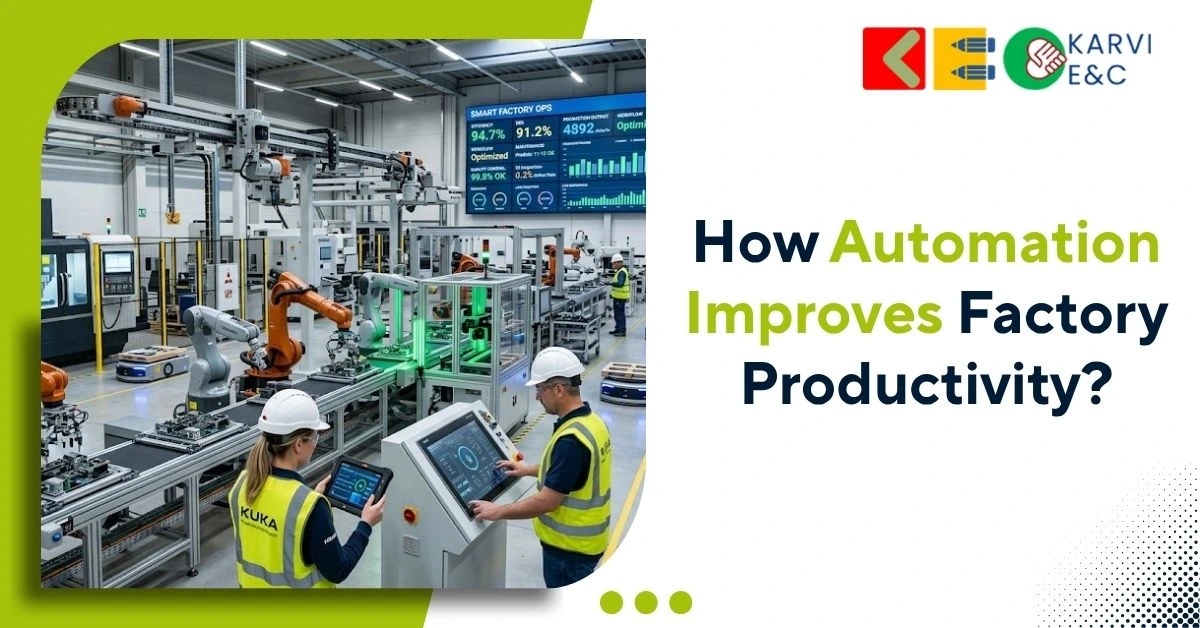
Manufacturing industries are constantly under pressure to produce more in less time while maintaining product…
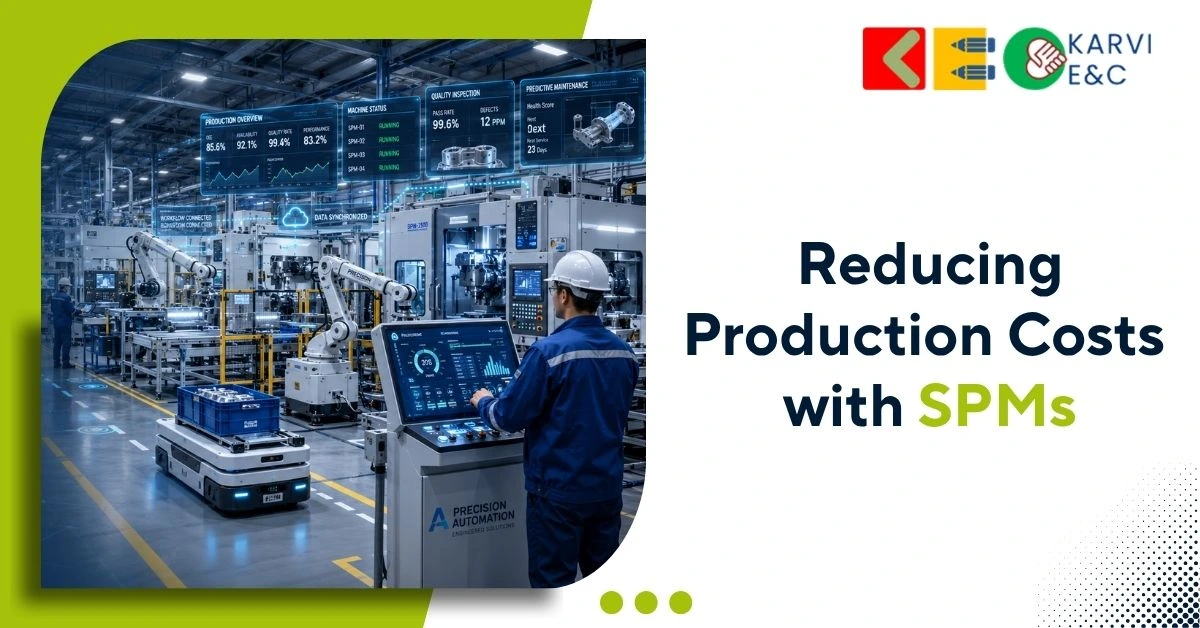
Controlling production costs has become a priority for manufacturers operating in competitive industrial environments. Rising…