100, Mohangirikrupa estate, Deluxe Wafer Lane, Nr Jupiter Cross Road, GIDC Makarpura, Vadodara



Plastic components have become an integral part of modern manufacturing, serving industries that demand precision,…
- Engineering Guides
- 5 minute read
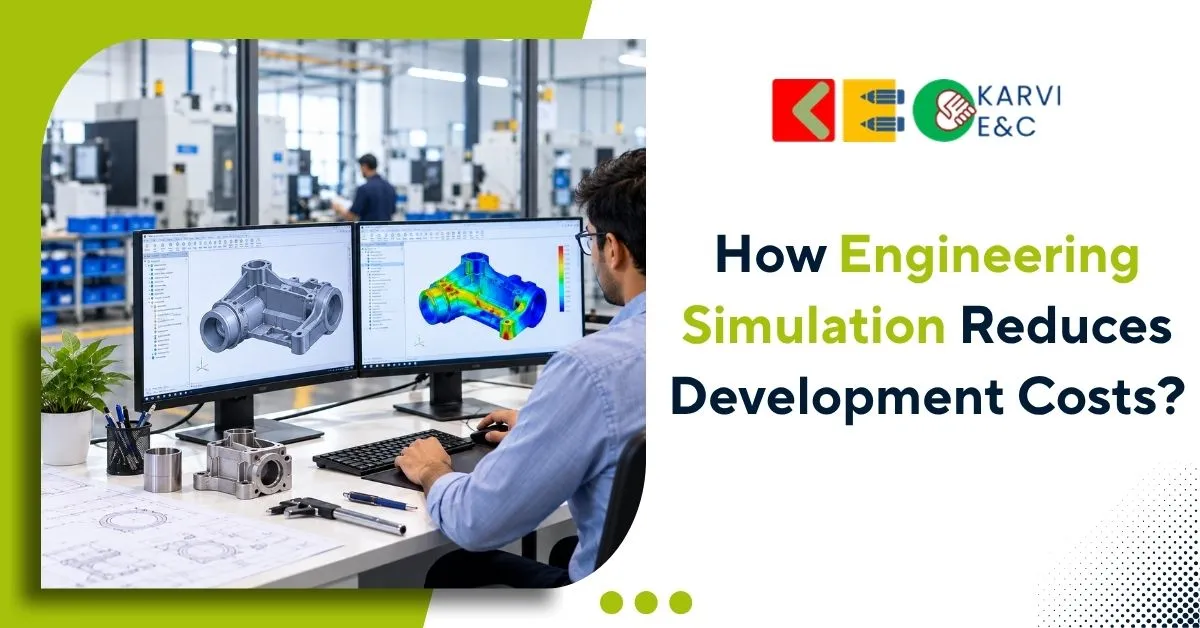
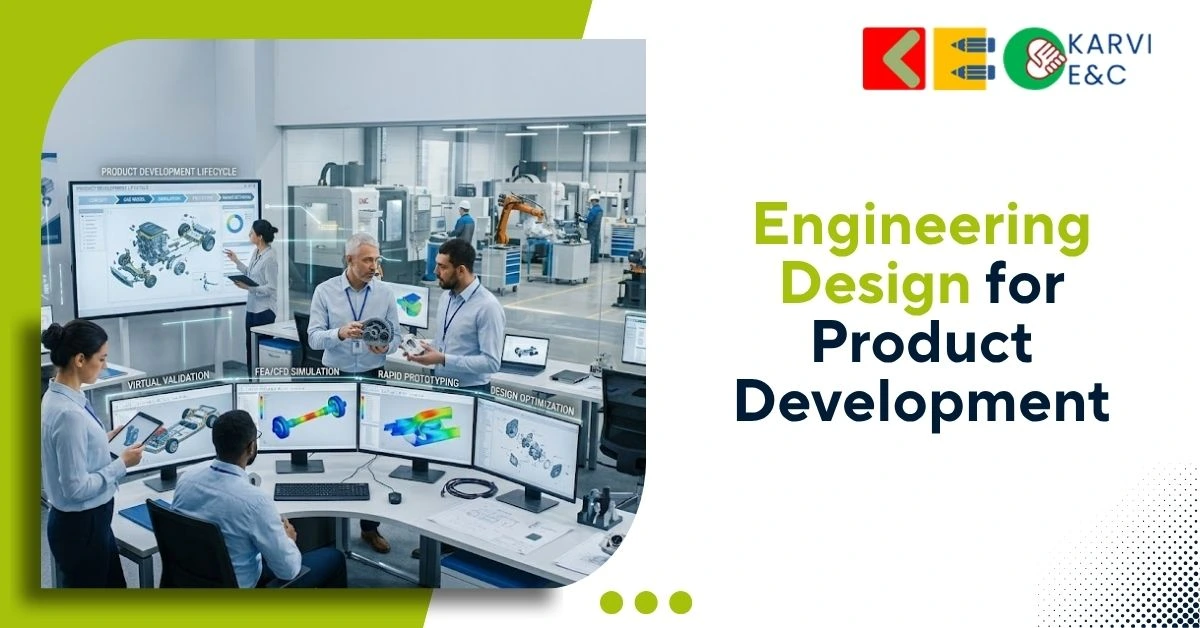
Developing a new product or industrial system involves design iterations, physical testing, material selection, and performance validation. When problems are discovered late in development, manufacturers may face expensive redesigns, material waste, and project delays. Engineering Simulation helps address these challenges by allowing engineers to evaluate designs virtually, identify potential issues early, and make informed decisions before committing to physical manufacturing.
1. Reducing the Need for Physical Prototypes
Physical prototypes require materials, manufacturing time, assembly, and testing resources. Multiple design changes can make prototype development expensive, particularly for complex industrial components and equipment.
With Engineering Simulation, engineers can evaluate design concepts and predict performance under defined operating conditions before building a physical prototype. Virtual validation helps compare design alternatives and narrow down suitable options, reducing unnecessary prototype iterations.
2. Identifying Design Problems Earlier
Discovering structural weaknesses, excessive deformation, thermal issues, or performance limitations after manufacturing can lead to costly modifications. Early identification helps prevent these problems from progressing into later development stages.
The Engineering Simulation allows engineers to investigate potential failure points and assess how a design responds to different loads, temperatures, and operating conditions. Finite Element Analysis (FEA), for example, supports structural evaluation, fatigue-life prediction, and buckling analysis. Addressing potential issues during design can reduce rework and improve product reliability.
3. Optimizing Material Usage and Design
Using more material than necessary can increase product weight, manufacturing expenses, and transportation costs. However, reducing material without proper validation may compromise strength or durability.
Through simulation-driven design and value engineering, Engineering Simulation helps engineers assess material distribution, structural performance, and design alternatives. This can support weight reduction, lower material consumption, and simpler manufacturing while maintaining required performance and safety considerations.
Looking to optimize your next engineering project? Contact us to discuss simulation-driven engineering solutions.
4. Improving Thermal and Fluid Performance
Industrial systems such as heat exchangers, ventilation equipment, separators, and fluid-handling units must perform reliably under specific operating conditions. Physical testing of multiple configurations can consume considerable time and resources.
Computational Fluid Dynamics (CFD) helps engineers analyze fluid flow, pressure behavior, and heat transfer virtually. Using Engineering Simulation, teams can compare configurations, investigate performance limitations, and optimize designs before manufacturing or modifying equipment.
5. Shortening Development Cycles
Repeated design changes and physical testing can delay product development and project delivery. Simulation provides engineers with an additional way to evaluate alternatives without manufacturing a new prototype for every iteration.
By using Engineering Simulation alongside engineering analysis and digital validation, development teams can identify promising designs earlier, prioritize physical testing, and make decisions using predicted performance. This can help reduce avoidable development loops and support faster project completion.
6. Reducing Industrial Engineering Risks
Costly engineering problems can also arise in plant infrastructure, piping networks, pressure vessels, storage tanks, and load-bearing structures. Incorrect assumptions about loads, stress, or operating conditions may result in modifications during installation or operation.
Through structural analysis, piping stress evaluation, and virtual validation, Engineering Simulation helps engineers assess these risks during the design stage. Karvi Engineering & Consultancy provides FEA, CFD, piping stress modeling, and structural analysis capabilities to identify potential issues early, improve design reliability, and support cost-effective engineering decisions.
Frequently Asked Questions
It helps engineers evaluate designs virtually, identify potential issues early, compare alternatives, and reduce unnecessary prototype iterations, redesign work, and physical testing expenses.
Yes. Virtual analysis can eliminate some unnecessary prototype iterations by helping engineers identify promising design options before manufacturing. Physical testing may still be required for verification and compliance.
Finite Element Analysis helps evaluate structural stresses, deformation, buckling, and fatigue behavior. Identifying potential weaknesses during design can reduce costly modifications later.
Computational Fluid Dynamics analyzes fluid flow and heat transfer virtually, helping engineers compare configurations and improve thermal or flow performance before making physical design changes.
Automotive, heavy manufacturing, oil and gas, power and energy, industrial equipment, and research organizations can use simulation to validate designs, improve performance, and manage engineering risks.
Conclusion
Reducing development costs requires engineers to identify problems early, validate design decisions, and avoid unnecessary physical iterations. Engineering Simulation supports this process through virtual testing, structural and thermal analysis, performance optimization, and design validation. When integrated into product and plant engineering, it can help reduce redesign costs, improve material efficiency, shorten development cycles, and strengthen long-term reliability.
Advanced Engineering SolutionsEngineering Simulation ServicesEngineering Simulation SoftwareProduct Development EngineeringSimulation in Engineering
Related Posts
Modern manufacturing depends on precision, repeatability, and process consistency to produce high-quality products at scale…
Developing a successful product requires more than an innovative idea. Manufacturers must ensure that every…