100, Mohangirikrupa estate, Deluxe Wafer Lane, Nr Jupiter Cross Road, GIDC Makarpura, Vadodara



Manufacturing efficiency depends on more than increasing machine speed or adding automation. Factories also need…
- Automation Tips
- 5 minute read
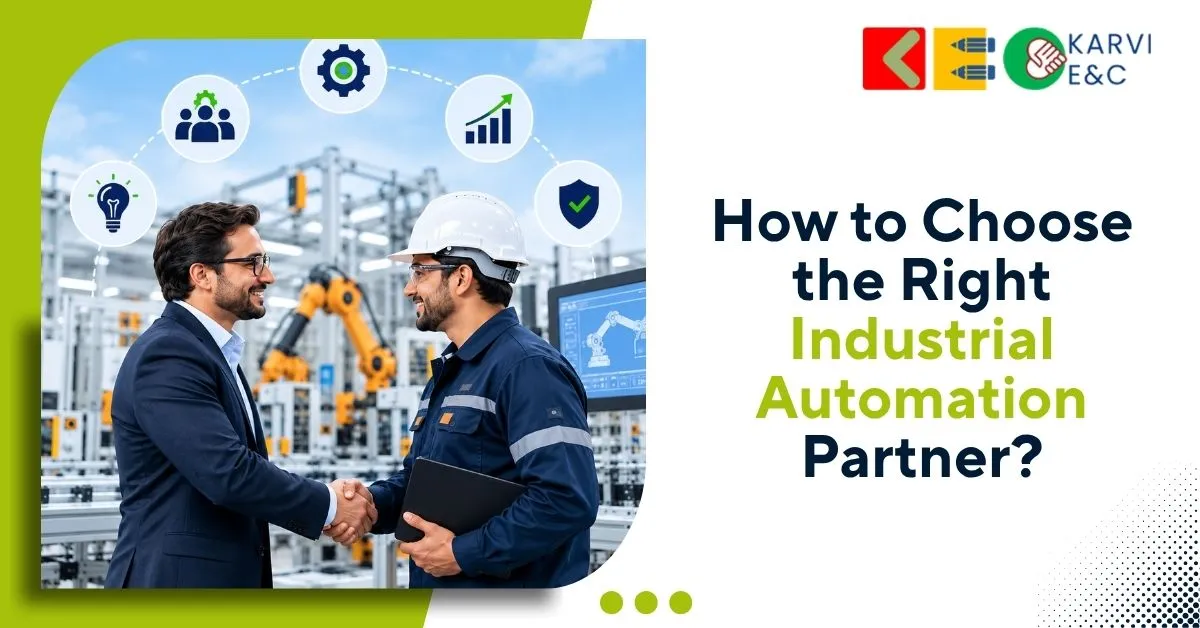
Choosing an automation partner is an important decision for manufacturers planning to improve productivity, quality, and production efficiency. The right partner should understand your existing processes, identify practical improvement areas, and develop solutions that fit your factory rather than simply supplying equipment. A strong Industrial Automation partner combines engineering expertise, process understanding, and implementation support to deliver measurable improvements.
Understand Your Manufacturing Requirements
Before evaluating an Industrial Automation partner, clearly define what you want to improve. The requirement may involve reducing manual operations, addressing production bottlenecks, improving consistency, increasing throughput, or upgrading an existing production line.
A capable partner should study your current process and understand factors such as:
- Production volume and cycle time
- Existing machinery and equipment
- Manual operations and bottlenecks
- Quality and inspection requirements
- Available shop-floor space
- Future production requirements
This assessment helps ensure that the proposed solution addresses an actual manufacturing need.
Look for Strong Engineering Capabilities
Successful Industrial Automation projects require more than installing standard machines. The partner should have the engineering capability to design solutions around your process, product, and operating conditions.
Look for experience in areas such as process optimization, automation system integration, Special Purpose Machines (SPMs), production line balancing, factory layout optimization, and workflow automation. These capabilities indicate that the partner can approach automation as part of a broader manufacturing improvement strategy.
Evaluate Customization and Integration
Every factory has different products, layouts, processes, and production constraints. Therefore, an Industrial Automation solution should be adaptable to the existing manufacturing environment.
Ask whether the automation partner can develop customized equipment, integrate different systems, modify existing production lines, and coordinate automation with manual operations. Proper integration can help create a smoother production flow without requiring unnecessary changes to the entire facility.
Looking to improve your manufacturing process with practical automation solutions? Contact us to discuss your automation requirements.
Check Implementation and Support Approach
The success of Industrial Automation depends not only on design but also on how effectively the solution is implemented. A reliable partner should work closely with your production and engineering teams throughout the project.
Discuss installation, commissioning, operator involvement, process validation, troubleshooting, and future modifications before starting the project. A collaborative approach can make implementation easier and help employees understand the new workflow.
Consider Long-Term Manufacturing Improvement
A good Industrial Automation partner should look beyond the immediate machine requirement. Manufacturing conditions can change as production volumes, product variants, and quality expectations evolve.
Partners with a lean automation approach can combine process analysis with automation engineering to reduce waste, improve workflow, and create scalable systems. This can make the investment more useful over the long term rather than focusing only on one isolated operation.
Assess the Partner’s Problem-Solving Approach
Before making a decision, examine how the partner approaches manufacturing challenges. Ask for examples of similar engineering problems they have addressed and understand how they identified the root cause, developed the solution, and measured improvement.
The right Industrial Automation partner should be able to connect equipment, people, processes, and production objectives rather than treating automation as a standalone installation.
Build a Practical Automation Partnership
Selecting an Industrial Automation partner is ultimately about finding an engineering team that understands your manufacturing environment and can translate production challenges into practical solutions. Reviewing technical capability, customization, integration, implementation support, and long-term improvement potential can help manufacturers make a more informed decision.
Frequently Asked Questions
Consider engineering expertise, customization capabilities, system integration experience, implementation support, understanding of your manufacturing process, and the ability to develop scalable solutions.
Yes. Depending on the existing equipment and process, an automation partner can study the current setup and develop upgrades involving automation, workflow improvements, equipment integration, or layout optimization.
Factories have different products, processes, layouts, and production requirements. Customized solutions can address specific operational challenges instead of forcing a standard system into an unsuitable manufacturing environment.
Lean manufacturing helps identify waste, bottlenecks, unnecessary movement, waiting, and other process inefficiencies. Combining these principles with automation can create a more efficient production workflow.
Yes. Installation, commissioning, troubleshooting, process validation, and future modifications are important considerations when evaluating an automation partner.
Conclusion
Choosing an Industrial Automation partner requires evaluating more than equipment and pricing. Manufacturers should consider engineering capability, process understanding, customization, integration, implementation, and long-term improvement. A practical, collaborative approach can help create automation systems that support productivity, quality, safety, and scalable manufacturing.
Automation for ManufacturingFactory Automation SolutionsIndustrial Automation CompanyIndustrial Automation Services ProviderIndustrial Automation Systems
Related Posts
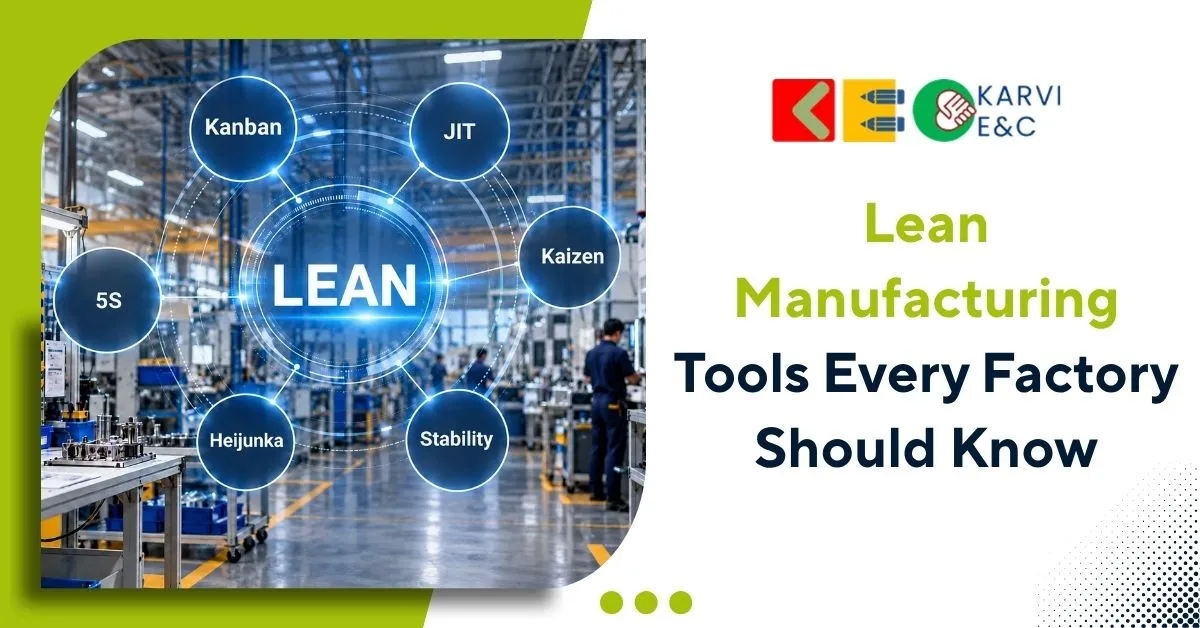
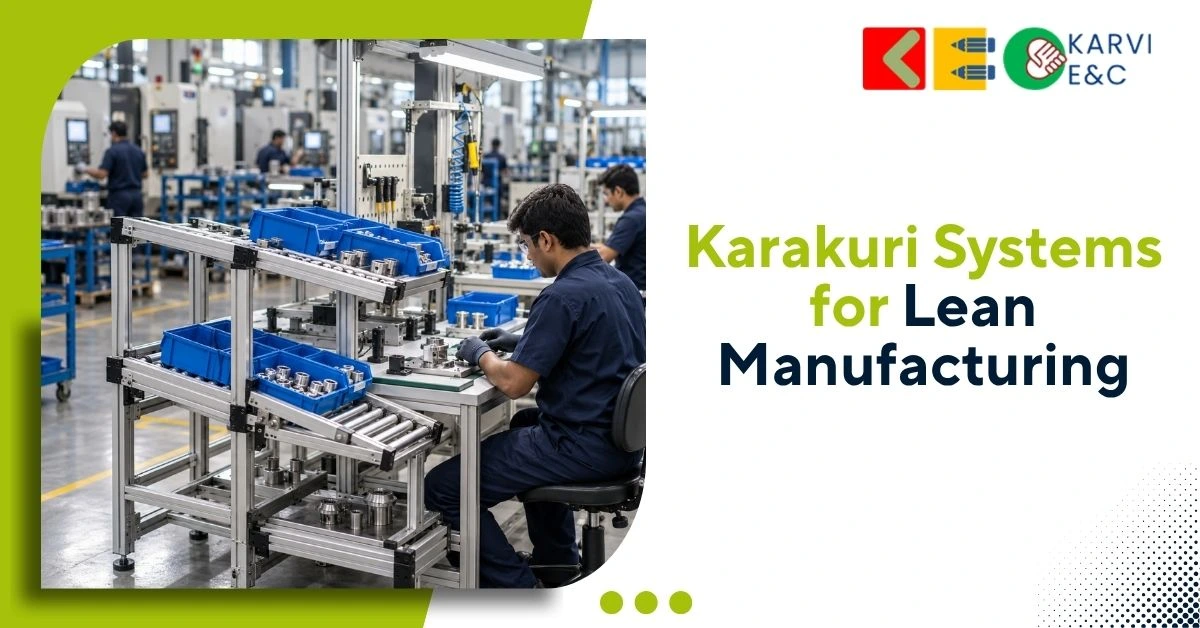
Lean manufacturing is about removing activities that do not add value. Excess movement, waiting, manual…
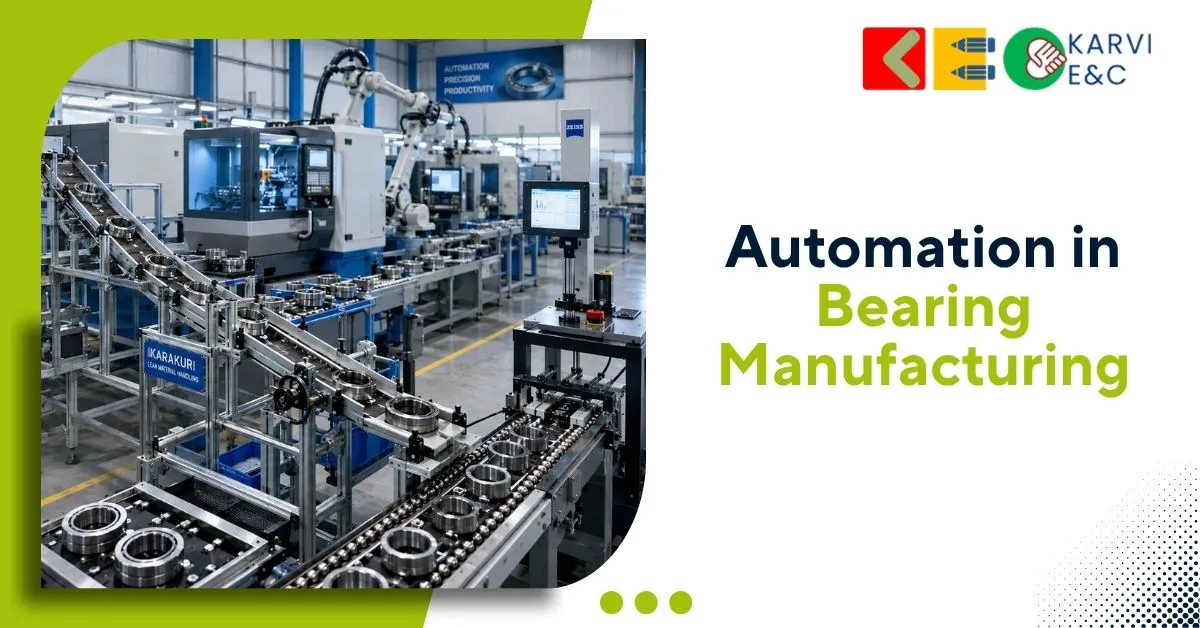
Bearing manufacturing requires precision, consistency, and controlled production processes to ensure reliable performance in demanding…