100, Mohangirikrupa estate, Deluxe Wafer Lane, Nr Jupiter Cross Road, GIDC Makarpura, Vadodara


Modern manufacturing is no longer driven by standardized production alone. Industries today operate with unique…
- Manufacturing Ideas
- 6 minute read
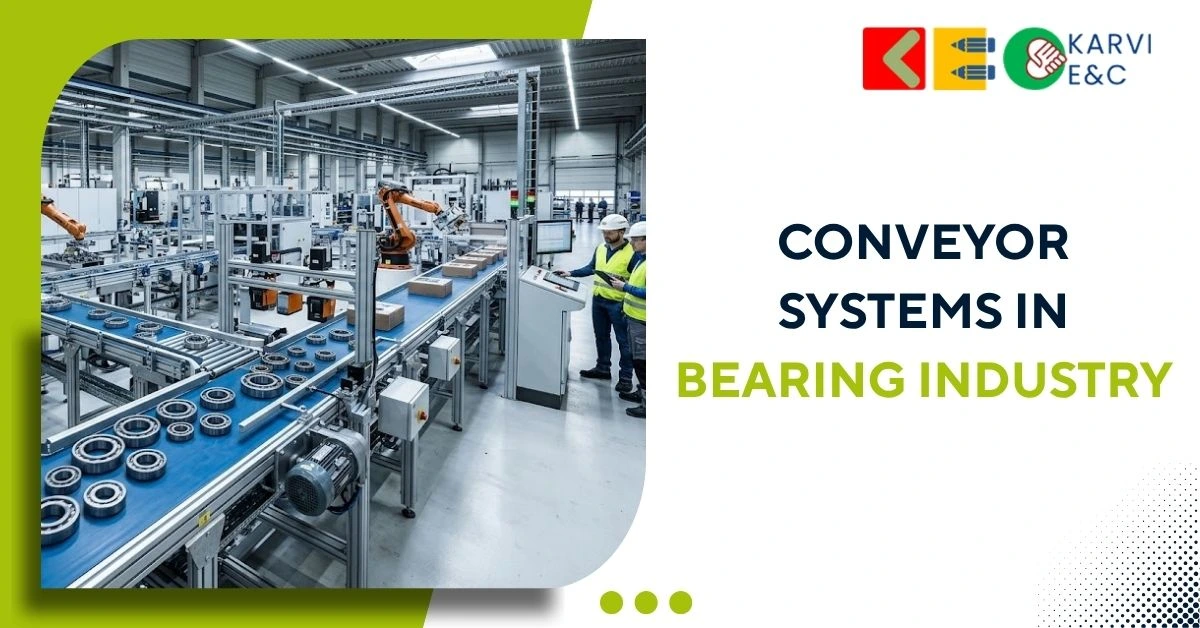
The bearing industry relies heavily on precision, efficiency, and consistent production flow to meet high-quality standards. As manufacturing demands increase, companies are shifting toward automation solutions that streamline operations and reduce manual handling. Conveyor systems have become a key component in improving productivity and maintaining workflow consistency.
In the center of industrial automation, Bearing Conveyor Systems play a crucial role in optimizing material handling, reducing downtime, and improving overall efficiency. These systems ensure smooth transportation of components across different stages of production, enabling faster processing and better-quality control.
Importance of Conveyor Systems in Bearing Manufacturing
Efficient material handling is essential in the bearing industry, where multiple production stages require seamless coordination. Manual handling not only slows down operations but also increases the risk of errors and product damage, affecting overall productivity.
In the center of operational efficiency, Bearing Conveyor Systems help manufacturers automate the movement of materials, ensuring consistent flow between processes. This improves production speed, reduces labor dependency, and enhances overall system reliability in manufacturing environments.
Types of Conveyor Systems Used in Bearing Industry
The bearing industry requires precise and efficient material handling systems to ensure smooth production flow across multiple stages. Different conveyor systems are used depending on load type, production requirements, and plant layout. Selecting the right conveyor type is essential to maintain efficiency, reduce downtime, and support continuous operations.
In the center of system selection, Bearing Conveyor Systems include various types such as belt conveyors for smooth transport, roller conveyors for handling heavy loads, and chain conveyors for rugged industrial environments. Overhead conveyors are used for space optimization, while automated conveyor systems are integrated with machinery for high-speed production. Each type plays a specific role in enhancing productivity and ensuring consistent workflow in manufacturing units.
Key types include:
- Belt conveyors for smooth material transport
- Roller conveyors for heavy load handling
- Chain conveyors for robust industrial applications
- Overhead conveyors for space optimization
- Automated conveyor systems for high-speed operations
Role of Conveyor Systems in Manufacturing Automation
Manufacturing automation is essential for achieving high efficiency and consistent production output in modern industries. Conveyor systems act as a backbone of automation by enabling seamless material movement between machines and production stages. This reduces manual intervention and ensures synchronized operations across the entire manufacturing line.
In the center of automation strategies, Bearing Conveyor Systems support real-time production by integrating with automated machinery, sensors, and control systems. These systems help maintain continuous workflow, improve coordination between processes, and reduce operational delays. By enabling faster and more accurate material handling, conveyor systems significantly enhance productivity and support advanced manufacturing environments.
Key roles include:
- Reducing manual handling
- Improving production speed
- Enhancing workflow efficiency
- Minimizing errors and defects
- Supporting continuous production
Looking to optimize your material handling? Contact us today for expert Bearing Conveyor Systems that boost manufacturing performance.
Features of Bearing Conveyor Systems
Modern conveyor systems are designed with advanced features that enhance performance, reliability, and efficiency. These features ensure that the systems can handle complex manufacturing requirements while maintaining consistent operation.
In the center of system performance, Bearing Conveyor Systems include features that improve durability, flexibility, and automation capabilities.
Key features include:
- High load capacity
- Durable and robust construction
- Customizable design
- Integration with automation systems
- Low maintenance requirements
Benefits of Bearing Conveyor Systems
Implementing conveyor systems in the bearing industry offers multiple advantages that improve operational efficiency and overall production performance. These systems reduce dependency on manual labor and ensure consistent handling of materials across different stages of manufacturing.
In the center of operational improvement, Bearing Conveyor Systems provide benefits such as improved workflow efficiency, reduced production time, and enhanced product handling. They also contribute to better safety by minimizing manual handling risks and ensuring controlled movement of materials. These advantages help organizations achieve higher productivity, lower costs, and improved reliability in their operations.
Key benefits include:
- Increased operational efficiency
- Reduced labor costs
- Improved product handling
- Faster production cycles
- Enhanced workplace safety
Challenges in Conveyor System Implementation
Implementing conveyor systems in industrial environments can be complex and requires careful planning and execution. Factors such as system design, integration with existing infrastructure, and operational requirements must be considered to ensure successful implementation.
In the center of implementation strategy, Bearing Conveyor Systems require proper customization, technical expertise, and ongoing maintenance to overcome challenges. Organizations may face issues such as high initial investment, space constraints, and system integration difficulties. Addressing these challenges through proper planning, training, and support ensures efficient operation and long-term success.
Common challenges include:
- High initial investment
- Integration with existing systems
- Maintenance and downtime
- Space constraints
- Training requirements
Future of Conveyor Systems in Bearing Industry
The future of conveyor systems is closely linked to advancements in automation and smart manufacturing technologies. Industries are moving toward more intelligent systems that use data and automation to improve efficiency and reduce downtime.
In the center of innovation, Bearing Conveyor Systems are evolving with technologies such as IoT, AI, and real-time monitoring. These advancements enable predictive maintenance, better control, and improved performance, making conveyor systems more efficient and reliable.
Frequently Asked Questions
They are conveyor systems designed specifically for handling bearing components efficiently during manufacturing processes.
They streamline material handling, reduce manual work, and ensure continuous production flow across different stages.
Factors include load capacity, production requirements, space availability, and integration with existing systems.
Yes, conveyor systems can be customized based on specific operational needs and manufacturing processes.
Regular inspection, lubrication, and system monitoring are required to ensure smooth operation and prevent downtime.
Conclusion
Conveyor systems have become a critical component in the bearing industry, enabling manufacturers to improve efficiency, streamline operations, and support automation. By ensuring smooth material handling and reducing manual intervention, these systems play a vital role in maintaining consistent production flow and high-quality output.
In the center of long-term industrial success, Bearing Conveyor Systems provide a reliable and scalable solution for enhancing productivity and operational performance. Their ability to integrate with modern automation technologies makes them essential for future-ready manufacturing environments. By adopting advanced conveyor systems, organizations can achieve better efficiency, reduced costs, and sustainable growth in a competitive market.
Automation in ManufacturingConveyor Belt SystemsIndustrial Automation SolutionsIndustrial ConveyorsManufacturing Automation
Related Posts
The bearing industry demands extremely high precision, smooth surface finishes, and strict dimensional accuracy to…