100, Mohangirikrupa estate, Deluxe Wafer Lane, Nr Jupiter Cross Road, GIDC Makarpura, Vadodara


Manufacturing industries are constantly under pressure to produce more in less time while maintaining product…
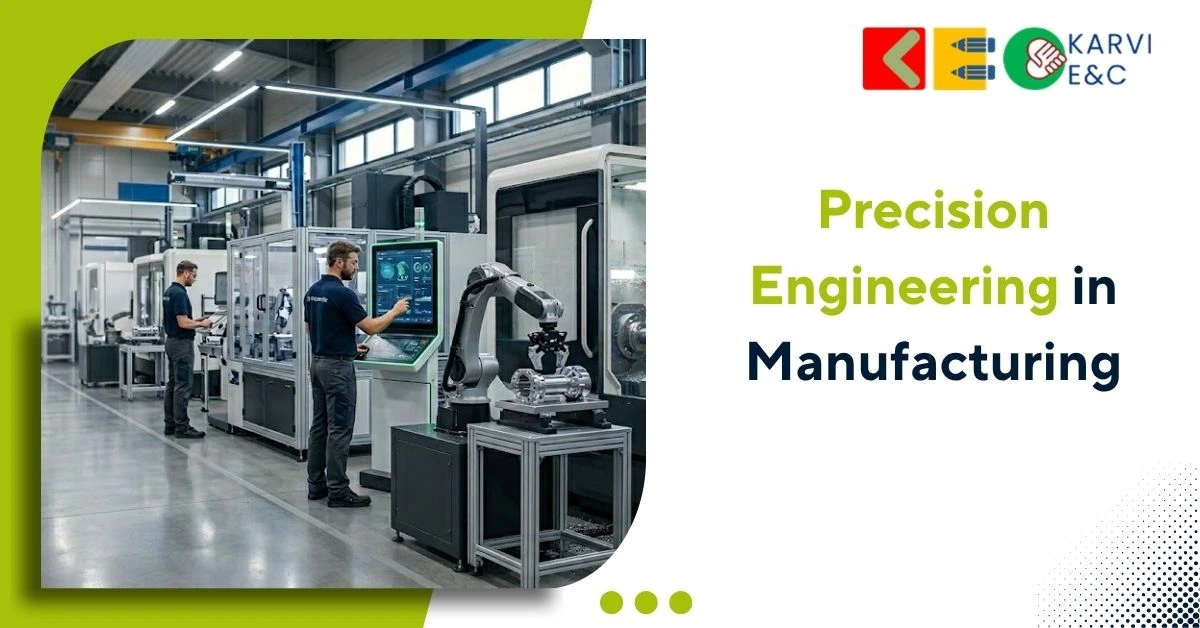
- Productivity Tips
- 5 minute read
Modern manufacturing demands high levels of accuracy, consistency, and operational reliability. Even minor dimensional deviations or process inconsistencies can affect product quality, production efficiency, and manufacturing cost. As industries continue to adopt advanced production systems, maintaining precision across every stage of manufacturing has become increasingly important.
Across industrial environments, Precision Engineering plays a critical role in delivering reliable production performance through accurate design, controlled manufacturing processes, and engineering validation. From tooling and machining to automation and component manufacturing, precision-focused engineering supports higher quality standards and improved operational outcomes.
Manufacturers seeking long-term productivity and product consistency increasingly depend on precision-driven systems to support competitive and scalable operations.
Understanding Precision Engineering in Manufacturing
Understanding precision engineering in manufacturing begins with recognizing the importance of dimensional accuracy and controlled production systems.
Precision engineering focuses on designing and manufacturing components, tools, and systems with extremely tight tolerances and high repeatability. Rather than relying on generalized production methods, precision engineering uses validated engineering practices and controlled manufacturing processes to achieve consistent outcomes.
This engineering approach supports:
- Accurate component manufacturing
- Process repeatability
- Reduced dimensional variation
- Improved assembly performance
- Better quality control
- Lower manufacturing defects
Through controlled engineering and production practices, Precision Engineering strengthens both manufacturing performance and product reliability.
Why Precision Matters in Modern Manufacturing?
Manufacturing environments continue to become more technologically advanced and quality driven.
Poor accuracy and inconsistent production can lead to:
- Product rejection
- Rework and scrap
- Higher production cost
- Delayed delivery schedules
- Process instability
- Reduced customer confidence
To address these challenges, industries increasingly adopt Precision Engineering practices that improve manufacturing accuracy and operational consistency. Whether producing industrial equipment, automotive components, or engineered assemblies, precision remains essential for reliable manufacturing performance.
Precision Engineering Solutions for Industrial Manufacturing
Reliable manufacturing depends on systems engineered for accuracy and long-term operational stability. Many industries implement precision engineering solutions to improve manufacturing performance and process control.
These solutions often include:
- Precision machining
- Engineering validation
- Tolerance analysis
- CAD-based design development
- Tooling optimization
- Fixture and component design
- Manufacturing process control
Through engineering-led execution, Precision Engineering supports better dimensional accuracy and improved workflow consistency across manufacturing operations. Rather than correcting errors after production, precision-focused systems help prevent deviations before they occur.
Looking to implement precision engineering in your manufacturing processes? Contact us today for expert guidance and customized engineering solutions.
Manufacturing Challenges and Precision Engineering Benefits
| Manufacturing Challenge | Precision Engineering Benefit |
| Dimensional variation | Improved accuracy |
| Quality inconsistency | Better process control |
| High rejection rates | Reduced defects |
| Process instability | Improved repeatability |
| Rework and scrap | Lower manufacturing waste |
| Assembly errors | Better fit and reliability |
This engineering-driven approach helps manufacturers achieve stronger production outcomes and greater operational efficiency.
Precision Engineering Works and Industrial Performance
High-performance manufacturing depends on dependable engineering execution. Industrial organizations often rely on Precision Engineering Works to manufacture accurate components and support controlled production systems.
These engineering works may involve:
- Precision component manufacturing
- Machining operations
- Tool and fixture development
- Structural fabrication support
- Assembly preparation
- Engineering inspection systems
Accurate engineering work improves product consistency while supporting efficient production workflows. As manufacturing tolerances become tighter, Precision Engineering continues to support stable and predictable manufacturing performance.
Precision Engineering Manufacturing and Quality Improvement
Modern precision engineering manufacturing focuses on more than producing components.
It supports complete manufacturing improvement through:
- Process optimization
- Quality-focused production
- Controlled machining
- Inspection and validation
- Material efficiency
- Repeatable manufacturing systems
Industries implementing Precision Engineering frequently achieve:
- Better product quality
- Improved production efficiency
- Reduced downtime
- Lower defect rates
- Stronger operational reliability
Engineering precision therefore becomes a strategic capability that supports long-term manufacturing growth and competitiveness.
Precision Engineering Across Industries
Different industries require precision at varying levels depending on their operational and technical requirements.
Applications of Precision Engineering extend across:
- Automotive manufacturing
- Industrial equipment production
- Heavy engineering
- Electronics manufacturing
- Tooling and fabrication
- Energy and process industries
Regardless of industry, engineering accuracy remains essential for achieving reliable and scalable manufacturing systems.
Frequently Asked Questions
Precision engineering is a manufacturing approach focused on achieving high accuracy, repeatability, and controlled production outcomes.
It improves dimensional accuracy, reduces defects, and supports reliable manufacturing performance.
Precision engineering solutions include machining, tooling, design validation, tolerance analysis, and manufacturing optimization.
Industries such as automotive, heavy engineering, electronics, industrial equipment, and energy sectors use precision engineering extensively.
Through controlled engineering and accurate production practices, precision engineering works reduce variation and improve process consistency.
Conclusion
Manufacturing performance increasingly depends on systems designed with accuracy, consistency, and engineering control. Through validated processes and precise manufacturing methods, Precision Engineering helps industries improve product quality, reduce waste, and strengthen operational performance.
From precision engineering in manufacturing and advanced precision engineering solutions to controlled precision engineering manufacturing, precision-driven systems continue to support reliable, efficient, and future-ready industrial operations.
Precision EngineeringPrecision Engineering in ManufacturingPrecision Engineering ManufacturingPrecision Engineering SolutionsPrecision Engineering Works
Related Posts
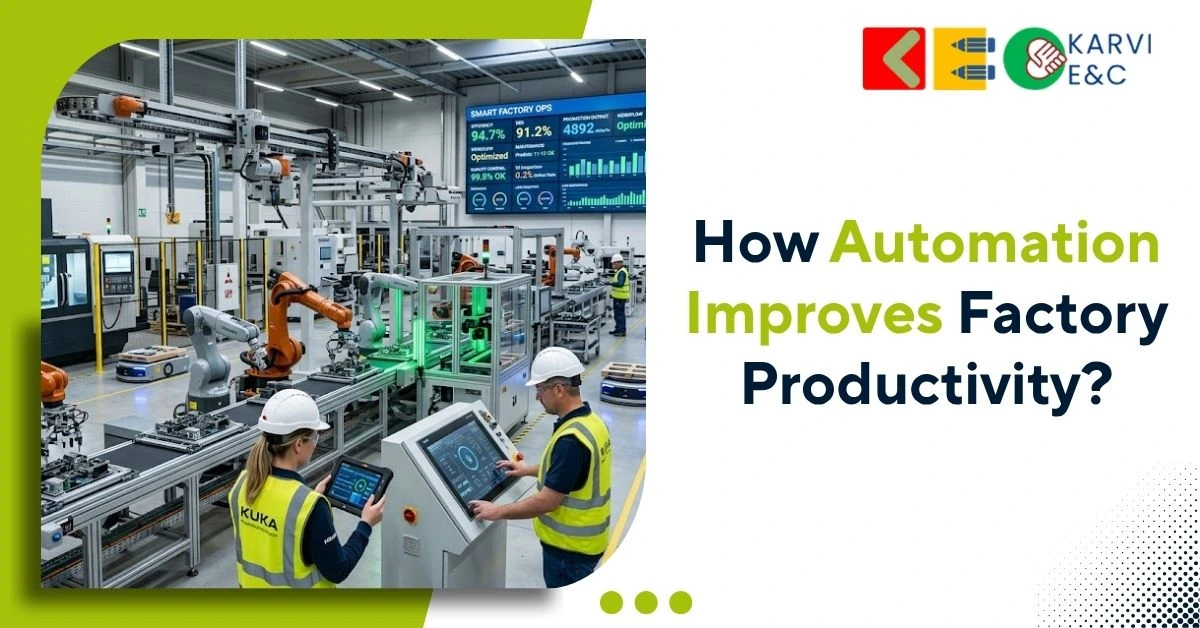
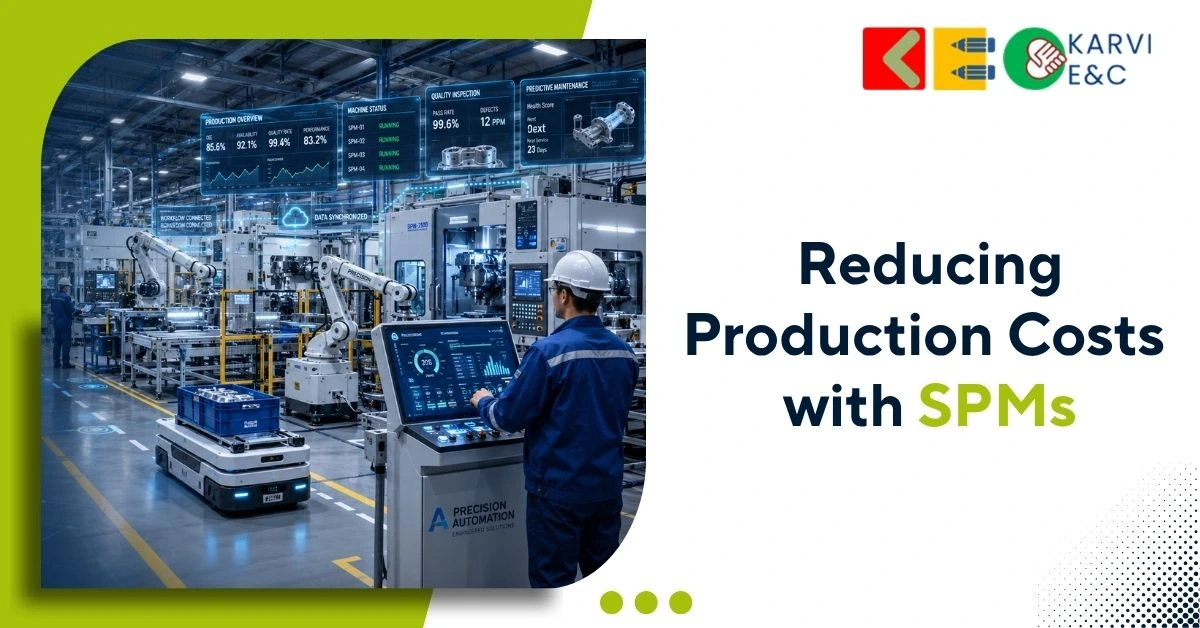
Controlling production costs has become a priority for manufacturers operating in competitive industrial environments. Rising…
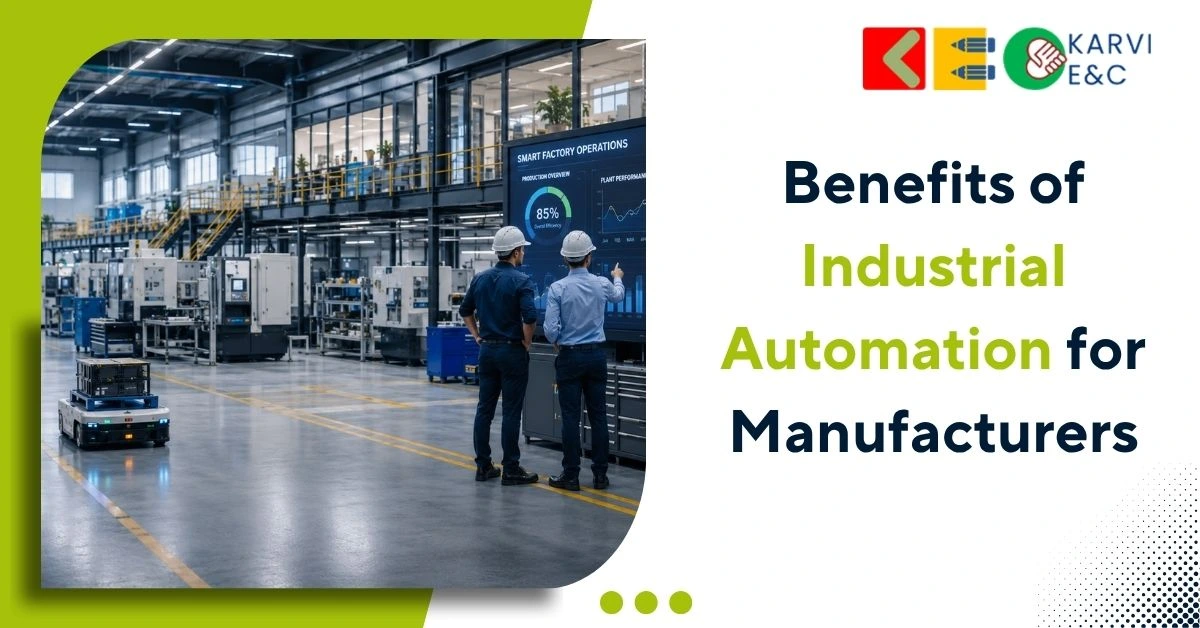
Manufacturing industries are under constant pressure to improve productivity, maintain product quality, reduce operational costs,…