100, Mohangirikrupa estate, Deluxe Wafer Lane, Nr Jupiter Cross Road, GIDC Makarpura, Vadodara



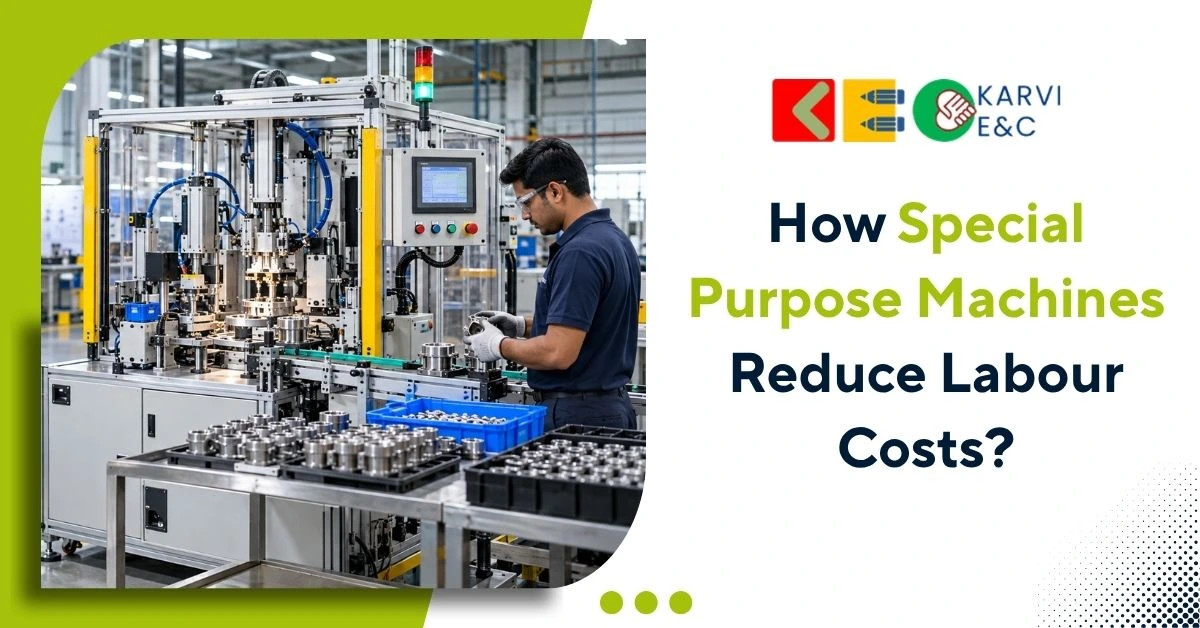
Manufacturing companies are constantly looking for ways to control operating costs without compromising productivity or…
- Productivity Tips
- 5 minute read
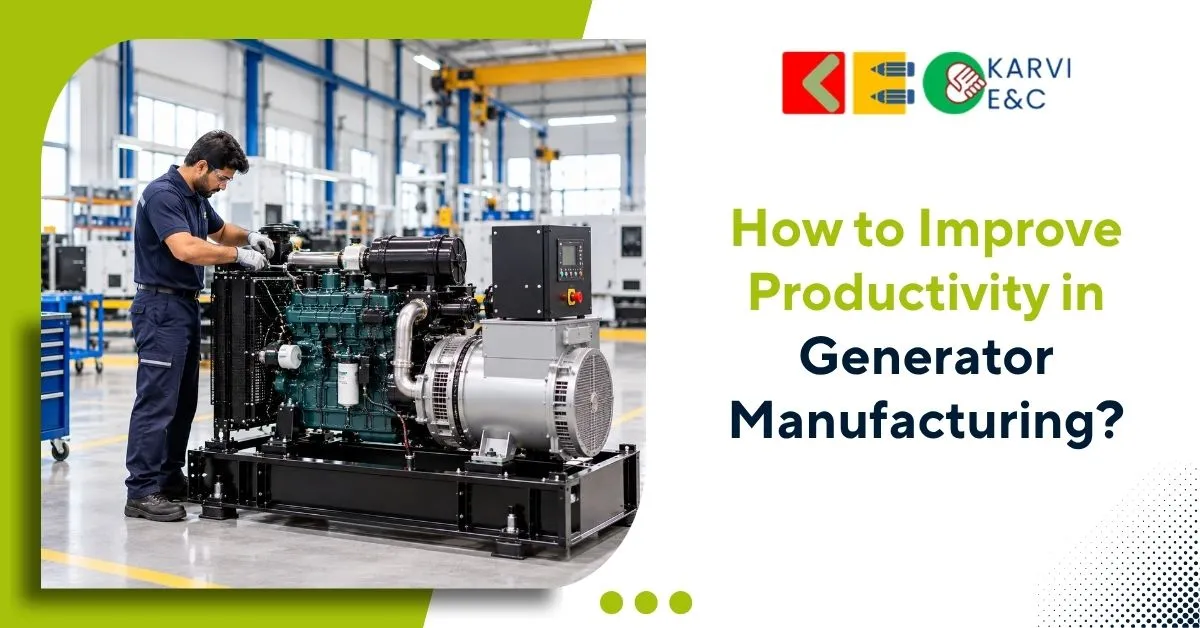
Generator manufacturing requires precise assembly, accurate component positioning, organized material handling, and reliable production processes. Delays caused by incorrect alignment, unavailable components, or inefficient handling can reduce output and increase rework. In the Generator Industry, improving productivity involves streamlining assembly operations, using purpose-built tooling, and ensuring that technicians can complete each task safely and consistently.
1. Standardize Generator Assembly Procedures
Inconsistent assembly methods can lead to repeated adjustments, avoidable errors, and longer production cycles. In the Generator Industry, clear assembly instructions help technicians follow the correct sequence, understand critical steps, and maintain consistent working practices.
Detailed generator assembly procedures can simplify complex operations and reduce confusion during component installation. Standardized instructions also make it easier to identify process issues and maintain repeatable assembly practices across production teams.
2. Improve Stator Core Stacking and Pressing
Stator core stacking and pressing require accurate positioning to maintain alignment and structural integrity. Incorrect positioning can lead to rework, additional adjustments, and delays in subsequent assembly stages.
Purpose-built stacking platforms and pressing systems help support controlled operations and accurate component positioning. For manufacturers in the Generator Industry, these solutions can simplify handling, improve assembly consistency, and reduce time lost correcting alignment issues.
3. Reduce Assembly Delays with Specialized Tooling
Using general-purpose tools for complex assembly or maintenance tasks can increase handling time and make certain operations difficult to perform consistently. In the Generator Industry, purpose-designed tools help technicians complete specific tasks with better control and precision.
For example, rotor retaining ring pulling tools support controlled removal during generator maintenance and overhaul. Similarly, dedicated tooling designed around specific assembly requirements can simplify handling and reduce unnecessary effort. Selecting the right tools helps improve task efficiency while supporting operational safety.
4. Keep Spare Parts Available
Production and refurbishment work can stall when critical replacement components are unavailable. Waiting for original parts may extend maintenance schedules and disrupt planned operations.
Reverse engineering, spare part design, and manufacturing can help address situations where original components are difficult to source. Businesses operating in the Generator Industry can use these capabilities to support equipment refurbishment, maintain component availability, and reduce avoidable interruptions caused by spare part shortages.
Looking to improve generator assembly and production efficiency? Contact us to discuss customized tooling and engineering solutions.
5. Organize Components with Custom Kitting Solutions
Technicians can lose valuable production time searching for components, checking part availability, or moving materials between workstations. In the Generator Industry, these small interruptions can accumulate across repeated assembly operations and reduce overall productivity.
Custom kitting systems organize the components required for a particular assembly or maintenance task. Preparing the necessary parts together helps reduce searching time, prevent picking errors, and keep work moving according to the planned sequence. This also helps improve coordination between material preparation and assembly activities.
6. Improve Workflow and Material Handling
Even well-equipped production facilities can experience bottlenecks when components, tools, and workstations are poorly coordinated. Unnecessary movement, disorganized work areas, and delays between operations can reduce the time available for productive work.
Manufacturers can improve workflow by reviewing assembly sequences, organizing materials near their points of use, and identifying recurring handling problems. In the Generator Industry, combining these improvements with customized tooling, kitting systems, and appropriate handling solutions can support smoother operations and better utilization of available resources.
Frequently Asked Questions
Manufacturers can improve productivity by standardizing assembly procedures, using purpose-built tooling, improving stator stacking and pressing, organizing components through kitting, and reducing material handling delays.
Stacking platforms support accurate positioning and alignment of stator core components, helping reduce adjustment time and maintain consistency during assembly.
Specialized tooling is designed for specific operations, allowing technicians to handle components with greater control, reduce unnecessary effort, and complete tasks more consistently.
Custom kitting groups the components required for a specific task, reducing time spent searching for parts and helping technicians follow the planned assembly sequence.
Spare part development and manufacturing can provide compatible replacement components when original parts are unavailable, helping reduce waiting time during repairs and refurbishment.
Conclusion
Improving generator manufacturing productivity requires attention to assembly accuracy, specialized tooling, component availability, and material organization. In the Generator Industry, standardized procedures, stacking platforms, pressing systems, and custom kitting solutions can help reduce avoidable delays and rework. By addressing specific production bottlenecks, manufacturers can improve workflow consistency and make better use of their workforce and equipment.
Generator Assembly LineGenerator ManufacturingGenerator Manufacturing ProcessGenerator ProductionManufacturing Productivity
Related Posts
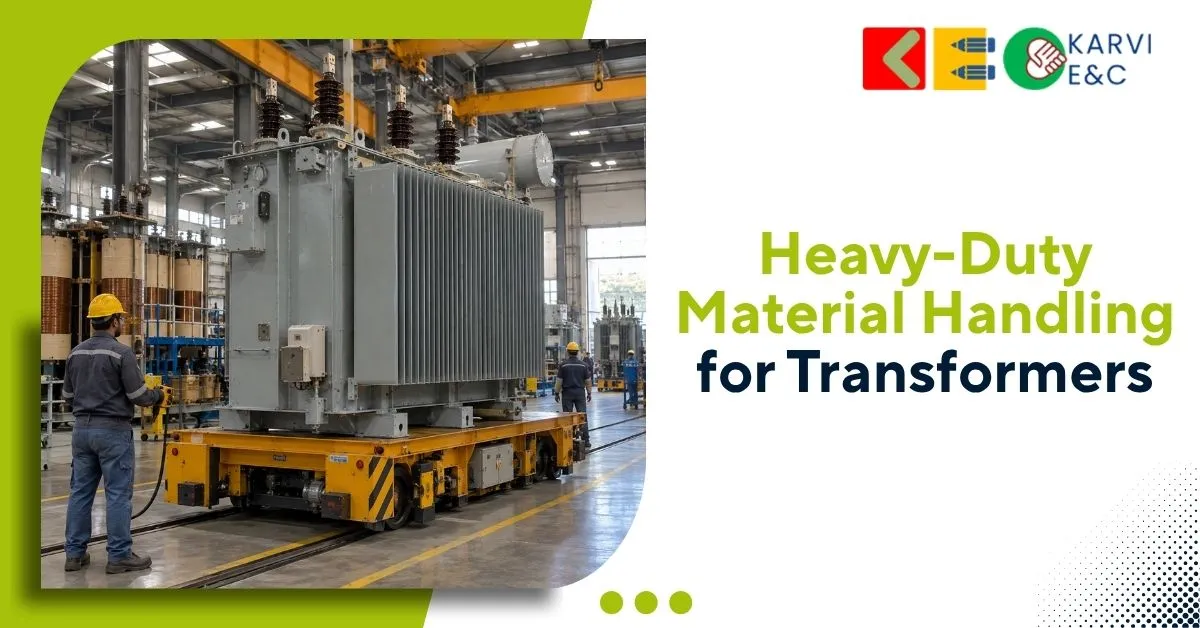
Transformer manufacturing involves handling large, heavy, and often delicate components throughout assembly and production. Moving…
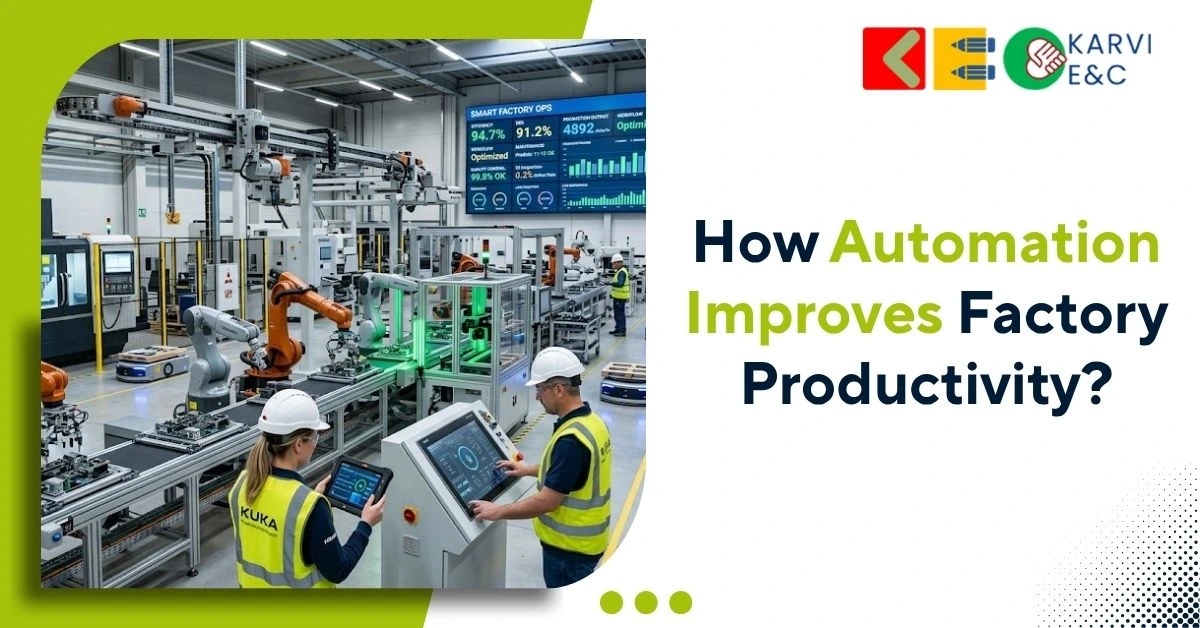
Manufacturing industries are constantly under pressure to produce more in less time while maintaining product…