100, Mohangirikrupa estate, Deluxe Wafer Lane, Nr Jupiter Cross Road, GIDC Makarpura, Vadodara


Plastic components have become an integral part of modern manufacturing, serving industries that demand precision,…
- Engineering Guides
- 7 minute read
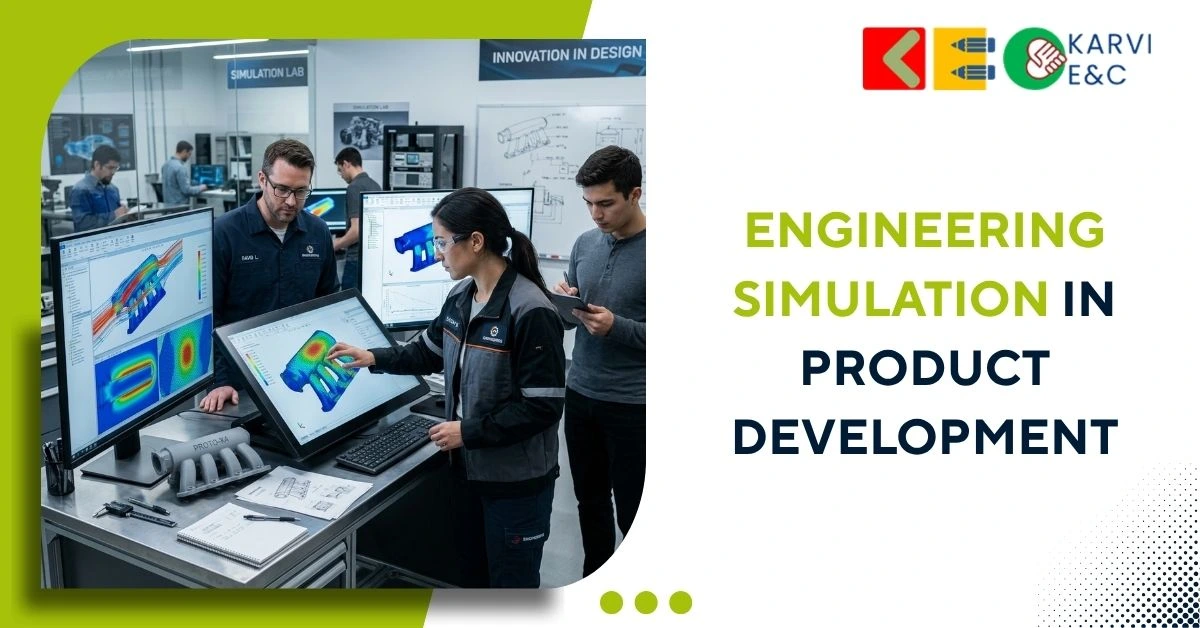
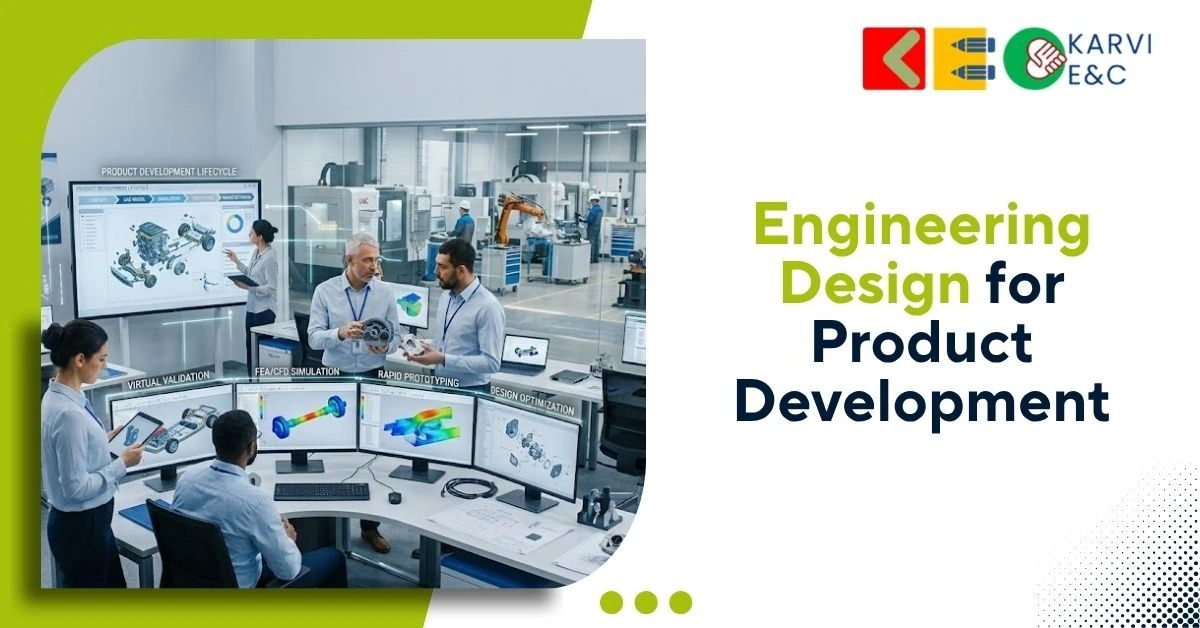
Engineering simulation has become a critical component in modern product development, allowing engineers to test, validate, and optimize designs in a virtual environment. Instead of relying solely on physical prototypes, companies now use simulation tools to predict how products will perform under different conditions. This approach significantly improves efficiency and reduces development costs, making it a key part of Advanced Engineering Solutions.
As industries move toward faster innovation cycles and higher performance standards, simulation enables better decision-making at every stage of development. Engineers can analyze multiple design variations, identify potential failures, and refine products before manufacturing. By integrating simulation into Advanced Engineering Solutions, organizations can achieve improved accuracy, reduced risks, and faster time-to-market.
What is Engineering Simulation?
Engineering simulation is the process of using computational models to replicate real-world conditions and analyze system behavior. It allows engineers to study how a product or system responds to different forces, temperatures, and environmental conditions. This capability is essential for building reliable Advanced Engineering Solutions.
Through simulation, engineers can perform virtual testing without creating physical models. This not only saves time but also improves design precision. The integration of simulation into Advanced Engineering Solutions helps industries optimize performance and reduce uncertainty during product development.
Key aspects include:
- Virtual testing of systems
- Performance prediction
- Design validation
- Risk analysis
- Process optimization
Importance of Simulation in Product Development
Simulation plays a vital role in product development by enabling early identification of design issues. Engineers can test and refine designs before production, which improves product reliability and is a core advantage of Advanced Engineering Solutions.
Without simulation, companies would need multiple physical prototypes, increasing cost and time. By incorporating simulation into Advanced Engineering Solutions, organizations can streamline development processes and improve overall efficiency.
Why simulation is important:
- Reduces development time
- Improves design accuracy
- Minimizes physical testing
- Enhances product quality
- Supports innovation
Role of Simulation in Design Optimization
Engineering simulation allows engineers to explore multiple design alternatives and select the most efficient solution. This process improves product performance and is a key part of Advanced Engineering Solutions.
By analyzing parameters such as stress, temperature, and fluid flow, engineers can refine designs and reduce material usage. Simulation-driven Advanced Engineering Solutions lead to better efficiency and cost savings.
Optimization benefits:
- Improved performance
- Reduced material usage
- Faster iterations
- Enhanced durability
- Better efficiency
Types of Engineering Simulation
Different types of simulation are used based on specific engineering requirements. Each type focuses on analyzing a particular aspect of system behavior, contributing to comprehensive Advanced Engineering Solutions.
Engineers select simulation methods depending on the complexity of the system. This flexibility allows simulation to be applied across industries, strengthening Advanced Engineering Solutions.
Common types include:
- Structural simulation
- Thermal simulation
- Fluid flow simulation
- Dynamic simulation
- Electromagnetic simulation
Simulation Engineering Technologies
Simulation engineering technologies include advanced tools and platforms used to perform complex simulations. These technologies play a crucial role in developing efficient Advanced Engineering Solutions.
Modern tools offer high accuracy, real-time analysis, and automation capabilities. By integrating these technologies into Advanced Engineering Solutions, industries can improve productivity and innovation.
Key technologies include:
- High-performance computing
- Cloud simulation platforms
- AI-driven tools
- Digital twin technology
- Automation systems
Looking to implement Advanced Engineering Solutions? Contact us today for expert guidance and customized engineering simulation solutions.
Applications of Engineering Simulation
Engineering simulation is widely used across industries to improve design and performance. It enables engineers to create efficient and reliable Advanced Engineering Solutions.
From automotive systems to energy infrastructure, simulation helps optimize performance and reduce risks. The use of simulation in Advanced Engineering Solutions enhances innovation and competitiveness.
Applications include:
- Automotive design
- Aerospace systems
- Manufacturing processes
- Electronics development
- Energy systems
Extreme Engineering Simulation
Extreme engineering simulation focuses on analyzing systems under extreme conditions such as high pressure, temperature, or stress. It plays a critical role in developing robust Advanced Engineering Solutions.
This approach helps engineers understand system limitations and prevent failures. It ensures safety and reliability in high-risk environments, strengthening Advanced Engineering Solutions.
Key uses include:
- Aerospace systems
- Energy sector analysis
- Structural safety testing
- Failure prediction
- High-performance applications
Engineering Modeling Software in Simulation
Engineering modeling software is essential for creating digital models used in simulation. These tools help engineers design and analyze systems efficiently, supporting Advanced Engineering Solutions.
With advanced features for visualization and analysis, modeling software improves design accuracy. Integrating these tools into Advanced Engineering Solutions enhances productivity and decision-making.
Software capabilities include:
- 3D modeling
- Simulation setup
- Data visualization
- Result analysis
- Design validation
Benefits of Engineering Simulation
Engineering simulation offers several advantages that improve product development processes. It allows engineers to build effective Advanced Engineering Solutions with greater efficiency.
By reducing reliance on physical testing, simulation saves cost and time. It also enhances product performance and reliability, making it an essential tool in Advanced Engineering Solutions.
Key benefits include:
- Cost reduction
- Faster development
- Improved accuracy
- Risk minimization
- Better decisions
Challenges in Engineering Simulation
Despite its benefits, engineering simulation presents challenges such as high computational requirements and complexity. These challenges can affect the implementation of Advanced Engineering Solutions.
However, advancements in technology are helping overcome these limitations. Industries are adopting simulation as part of Advanced Engineering Solutions to improve performance.
Common challenges include:
- High setup complexity
- Need for expertise
- Computational cost
- Data accuracy issues
- Time-consuming analysis
Future of Engineering Simulation
The future of engineering simulation is driven by advancements in AI, cloud computing, and automation. These technologies will enhance Advanced Engineering Solutions significantly.
Simulation will become faster and more accessible, enabling real-time analysis. The evolution of Advanced Engineering Solutions will rely heavily on simulation technologies.
Future trends include:
- AI-driven simulations
- Cloud-based platforms
- Real-time analysis
- Digital twins
- Automation
Frequently Asked Questions
Engineering simulation is the use of digital models to test product performance under different conditions. It helps improve design accuracy and reduce development risks.
Simulation helps identify design issues early and reduces the need for physical testing. It improves efficiency and product quality.
Industries like automotive, aerospace, and manufacturing widely use simulation. It helps improve design and optimize performance.
It reduces costs, improves accuracy, and speeds up product development. It also helps engineers make better decisions.
Challenges include high computational requirements and complex setup. Skilled expertise is required for accurate results.
Simulation will grow with AI and cloud technologies for faster and more efficient analysis. It will play a key role in advanced engineering solutions.
Conclusion
Engineering simulation has revolutionized product development by enabling virtual testing and optimization of complex systems. Its ability to predict performance and identify issues early makes it a critical part of Advanced Engineering Solutions. By reducing costs and improving efficiency, simulation helps industries achieve better results in less time.
As technology continues to evolve, simulation will play an even greater role in engineering innovation. The integration of simulation into Advanced Engineering Solutions will drive future advancements and improve competitiveness. Organizations that adopt simulation will be better equipped to deliver high-quality products and meet industry demands.
Engineering Modeling SoftwareEngineering SimulationExtreme Engineering SimulationSimulation Engineering Technologies
Related Posts
Modern manufacturing depends on precision, repeatability, and process consistency to produce high-quality products at scale…
Developing a successful product requires more than an innovative idea. Manufacturers must ensure that every…