100, Mohangirikrupa estate, Deluxe Wafer Lane, Nr Jupiter Cross Road, GIDC Makarpura, Vadodara


Bearing manufacturing requires precision, consistency, and controlled production processes to ensure reliable performance in demanding…
- Automation Tips
- 7 minute read
The manufacturing and industrial sectors are rapidly evolving with the adoption of advanced technologies that improve efficiency, accuracy, and productivity. Businesses are increasingly shifting from manual operations to automated systems to meet growing demands and maintain consistent quality. This transition is essential for staying competitive in modern industrial environments.
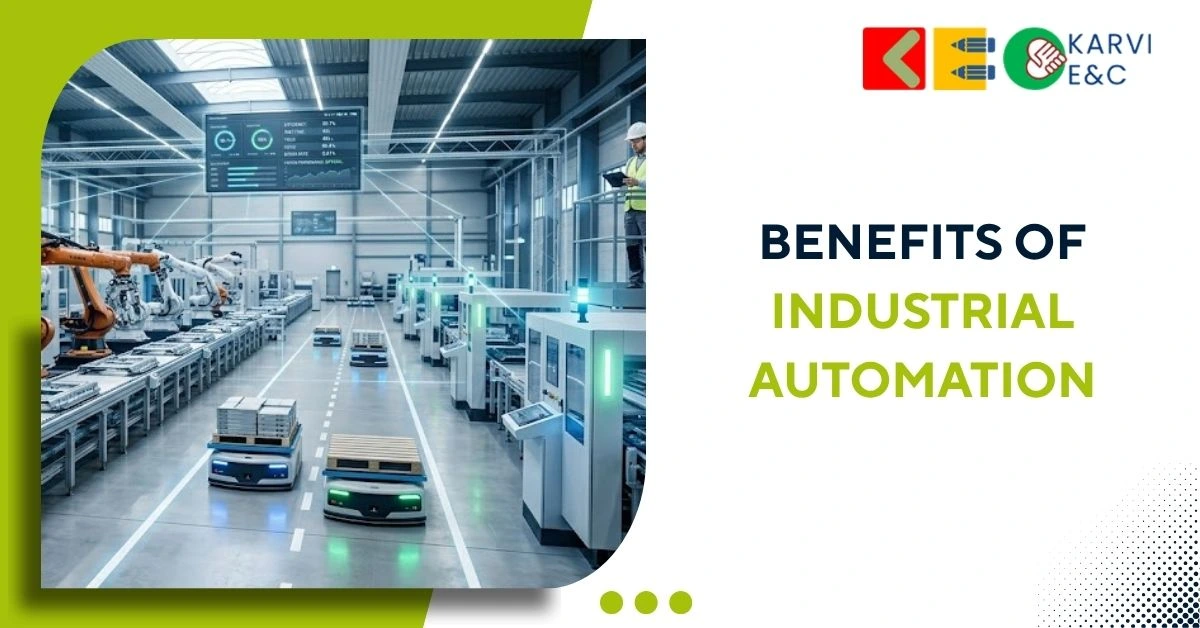
In the center of operational transformation, Industrial Automation plays a crucial role in streamlining processes, reducing human intervention, and improving overall performance. It enables industries to achieve higher productivity, minimize errors, and optimize resource utilization, making it a key driver of growth and innovation.
What is Industrial Automation?
Industrial processes have evolved significantly with the introduction of automation technologies that replace manual tasks with intelligent systems. These systems use control mechanisms, sensors, and software to manage operations with high precision and consistency. Automation enables industries to reduce dependency on manual labor while improving accuracy and efficiency across production lines.
In the center of modern operations, Industrial Automation integrates technologies such as PLCs, robotics, and IoT-based systems to create seamless and efficient workflows. These systems allow real-time monitoring, faster decision-making, and improved process control, ensuring consistent output and better utilization of resources in industrial environments.
Components of Industrial Automation Systems
Industrial automation systems consist of multiple components that work together to control and manage industrial processes efficiently. Each component plays a specific role in ensuring smooth operation, accurate control, and real-time monitoring of systems.
In the center of system functionality, Industrial Automation relies on integrated components such as sensors, controllers, and software systems that enable seamless communication and coordination across operations. These components ensure reliability, precision, and efficiency in industrial environments.
Key Components Include:
- Sensors for data collection and monitoring
- Programmable Logic Controllers (PLCs)
- Human Machine Interfaces (HMIs)
- Industrial robots and actuators
- Control software and SCADA systems
Importance of Industrial Automation in Modern Industry
Industries today operate in a highly competitive environment where efficiency, speed, and quality are critical for success. Traditional processes often fail to meet these demands due to limitations in manual operations and human errors. Automation has become essential for maintaining high standards and meeting production targets.
In the center of industrial growth, Industrial Automation helps organizations improve efficiency, reduce operational costs, and enhance production speed. It enables businesses to maintain consistent quality, reduce downtime, and respond quickly to changing market demands, making it a key driver of competitiveness and sustainability.
Key importance includes:
- Improved production efficiency
- Reduced operational costs
- Enhanced product quality
- Faster response to market demands
- Better safety standards
Benefits of Industrial Automation
Automation offers a wide range of benefits that directly impact productivity, efficiency, and profitability. By reducing manual intervention and optimizing processes, industries can achieve higher output with improved accuracy and consistency.
In the center of performance improvement, Industrial Automation provides benefits such as reduced downtime, better resource utilization, and improved operational reliability. It also enables industries to scale operations efficiently while maintaining consistent quality across production cycles.
Key benefits include:
- Increased productivity and efficiency
- Reduced human errors
- Lower labor costs
- Improved process consistency
- Enhanced operational safety
Looking to improve efficiency and optimize your industrial operations? Contact us today for expert Industrial Automation solutions that enhance performance.
Role of Industrial Automation in Manufacturing Industries
Manufacturing industries rely heavily on automation to streamline operations and maintain consistent production output. Automation systems help coordinate multiple processes, ensuring smooth workflow and reducing delays.
In the center of manufacturing efficiency, Industrial Automation enables integration of machines, sensors, and control systems to create a unified production environment. This improves coordination, reduces manual handling, and enhances overall system performance, leading to higher productivity and improved product quality.
Key roles include:
- Streamlining production processes
- Reducing manual intervention
- Improving workflow coordination
- Enhancing product consistency
- Supporting continuous production
Industrial Automation Solutions and Applications
Industrial automation solutions are designed to address specific operational challenges and improve efficiency across different industries. These solutions vary depending on production requirements, system complexity, and level of automation required.
In the center of system implementation, Industrial Automation includes applications such as robotic systems, automated material handling, process control systems, and smart manufacturing technologies. These solutions help industries optimize operations, reduce costs, and improve productivity.
Key applications include:
- Robotic automation systems
- Process control and monitoring
- Automated material handling
- Smart manufacturing solutions
- IoT-based industrial systems
Industrial Automation Process Implementation
Implementing automation in industrial environments requires a structured approach to ensure smooth integration and long-term success. Organizations must first analyze their existing processes, identify inefficiencies, and determine the level of automation required. A step-by-step implementation strategy helps avoid disruptions and ensures effective execution.
In the center of execution, Industrial Automation involves careful planning, system design, and continuous monitoring to achieve optimal results. Proper implementation not only improves efficiency but also ensures scalability and adaptability for future industrial needs.
Key Steps Include:
- Process analysis and requirement identification
- Selection of appropriate automation technologies
- System design and integration planning
- Testing and validation of automation systems
- Continuous monitoring and performance optimization
Challenges in Industrial Automation Implementation
Despite its advantages, implementing automation systems can be complex and requires careful planning and execution. Organizations may face challenges related to cost, system integration, and workforce adaptation.
In the center of implementation strategy, Industrial Automation requires skilled professionals, proper system design, and continuous monitoring to overcome these challenges. Addressing these issues ensures smooth integration and long-term success in automation adoption.
Key challenges include:
- High initial investment
- Integration with existing systems
- Need for skilled workforce
- Maintenance and upgrades
- Resistance to technological change
Future Trends in Industrial Automation
The future of industrial automation is driven by technological advancements that enable smarter and more efficient systems. Emerging technologies such as artificial intelligence, machine learning, and IoT are transforming industrial operations.
In the center of innovation, Industrial Automation is evolving toward intelligent systems that provide predictive insights, real-time monitoring, and autonomous decision-making capabilities. These advancements improve efficiency, reduce downtime, and enhance overall system performance.
Frequently Asked Questions
It reduces manual intervention, speeds up processes, and ensures consistent output, leading to higher productivity.
Technologies include PLCs, robotics, sensors, IoT systems, and advanced control systems.
Yes, scalable automation solutions can be customized to meet the needs of small and medium industries.
It minimizes labor costs, reduces errors, and improves efficiency, leading to overall cost savings.
Skills include knowledge of control systems, programming, system integration, and maintenance.
Yes, it reduces human involvement in hazardous tasks and improves workplace safety.
Conclusion
Industrial automation has become a fundamental component of modern industrial operations, enabling organizations to improve efficiency, reduce costs, and maintain consistent quality. It plays a crucial role in transforming traditional processes into streamlined and intelligent systems that support higher productivity and better performance.
In the center of long-term success, Industrial Automation provides a scalable and reliable solution for achieving operational excellence and sustainable growth. By adopting advanced automation technologies, industries can enhance efficiency, minimize errors, and stay competitive in an ever-evolving industrial landscape.
Industrial Automation IndustriesIndustrial Automation ServiceIndustrial Automation SolutionSolutions for Industrial Automation
Related Posts
Industries today operate in an increasingly competitive environment where efficiency, speed, and adaptability determine long-term…
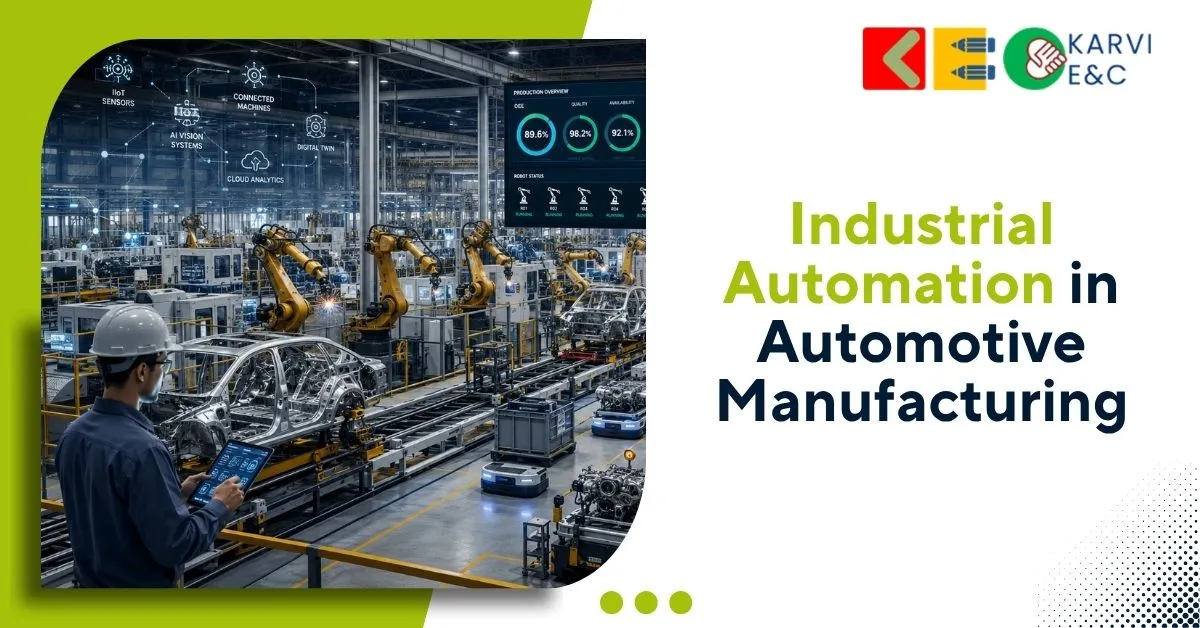
The automotive industry has long been recognized as one of the earliest adopters of advanced…