100, Mohangirikrupa estate, Deluxe Wafer Lane, Nr Jupiter Cross Road, GIDC Makarpura, Vadodara


Manufacturing industries are constantly under pressure to produce more in less time while maintaining product…

- Productivity Tips
- 6 minute read
Modern manufacturing is no longer driven by machines alone — it is driven by skilled people who know how to operate, optimize, and innovate.
As industries adopt automation, AI-driven systems, lean manufacturing, and Industry 4.0 technologies, manufacturing workforce training has become a strategic necessity rather than an optional initiative.
At Karvi Engineering & Consultancy, a manufacturing transformation partner focused on upgrading complete operational ecosystems, we believe that true industrial excellence begins with workforce capability. From technical skill development to automation training and lean process implementation, advanced training programs are reshaping how factories perform.
Why Manufacturing Workforce Training Is Critical in Modern Industry
The manufacturing sector is undergoing rapid transformation. Smart factories, robotic systems, and data-driven production lines require a workforce that is:
- Technically competent
- Digitally aware
- Multi-skilled
- Process-oriented
- Adaptable to automation
Without structured workforce development in manufacturing, even the most advanced machines fail to deliver the expected ROI.
Key Reasons Training Is Essential:
- Rising automation across production lines
- Increased quality and compliance standards
- Shortage of industry-ready engineers
- Demand for lean manufacturing systems
- Need for data-driven decision-making
Skilled employees reduce downtime, improve machine utilization, and increase productivity across the entire plant.
Key Challenges in Industrial Skill Development
Many manufacturing companies struggle with industrial skill development due to structural gaps.
Common Challenges:
- Lack of industry-aligned training curriculum
- Resistance to new technologies
- Production pressure limits training time
- Outdated technical knowledge
- Poor integration of digital tools
These challenges create a performance gap between installed technology and actual output.
What Is Advanced Manufacturing Training?
Advanced manufacturing training programs are structured, practical, and industry-focused learning systems designed to upgrade technical, operational, and managerial capabilities within a factory environment.
It Includes:
- Lean manufacturing training
- Automation training for factory workers
- Special Purpose Machine (SPM) operation training
- Quality control & precision engineering training
- Safety and compliance programs
- Digital manufacturing & Industry 4.0 readiness
Unlike theoretical programs, advanced training is performance-driven and outcome-oriented.
Upgrade Your Manufacturing Workforce Today
Contact our experts to implement advanced training programs that deliver measurable productivity gains.
Core Components of an Effective Manufacturing Upskilling Program
A successful manufacturing upskilling program must combine technical depth with practical implementation.
Technical Skill Development for Engineers
- CNC & SPM operation
- CAD/CAM fundamentals
- Equipment diagnostics
- Maintenance optimization
- Quality inspection techniques
Lean & Process Improvement Training
- Waste elimination techniques
- Value stream mapping
- Line balancing
- Root cause analysis
- Continuous improvement systems
Automation & Digital Manufacturing Training
- PLC fundamentals
- Robotics basics
- Sensor integration
- Data monitoring systems
- Predictive maintenance principles
Leadership & Production Management Skills
- Production planning
- Performance tracking
- Team coordination
- Safety leadership
- Cost control awareness
Benefits of Advanced Workforce Training in Manufacturing
Below is a comparison showing the impact of structured workforce training:
| Area | Without Training | With Advanced Training |
| Machine Utilization | Inconsistent | Optimized & stable |
| Downtime | Frequent breakdown delays | Reduced downtime |
| Product Quality | Higher rejection rates | Improved precision |
| Automation Adoption | Slow | Faster integration |
| Employee Retention | Low engagement | Higher satisfaction |
Measurable Benefits:
- Increased productivity
- Reduced defect rates
- Improved operational efficiency
- Faster troubleshooting
- Stronger compliance adherence
- Higher return on automation investment
Industry 4.0 and the Need for Continuous Manufacturing Upskilling
Industry 4.0 technologies such as AI-driven manufacturing systems, IoT-enabled monitoring, and smart automation require continuous learning.
A smart manufacturing workforce must understand:
- Data-driven process optimization
- Predictive maintenance systems
- Digital dashboards
- Cyber-physical production systems
- Integrated automation workflows
Training is no longer a one-time event — it is a continuous transformation journey.
How Institute–Industry Collaboration Strengthens Workforce Development
One of the most powerful ways to bridge the manufacturing skill gap is through industry-academia partnerships.
At Karvi Engineering & Consultancy, we promote structured collaboration models that:
- Align academic curriculum with industrial needs
- Provide hands-on technical exposure
- Offer real-world manufacturing problem-solving
- Encourage research-backed industrial innovation
This approach ensures future engineers are industry-ready from day one.
How to Design a Future-Ready Manufacturing Training Program
An effective workforce training strategy follows a structured path:
Step 1: Skill Gap Assessment
Identify technical and operational weaknesses.
Step 2: Process Evaluation
Analyze workflow inefficiencies and automation readiness.
Step 3: Customized Training Modules
Design programs aligned with specific production challenges.
Step 4: On-Site Practical Implementation
Conduct hands-on training within actual plant environments.
Step 5: Performance Measurement
Track productivity, downtime, and quality improvements.
When training aligns with operational goals, measurable transformation follows.
Frequently Asked Questions
Manufacturing workforce training is a structured program designed to enhance technical skills, automation readiness, and operational efficiency of factory employees and engineers.
Workforce development improves productivity, reduces defects, enhances safety, and ensures successful implementation of automation and Industry 4.0 technologies.
Industry 4.0 requires skills in automation systems, robotics, data analysis, lean processes, quality control, and digital production management.
It improves machine utilization, reduces downtime, minimizes errors, enhances troubleshooting speed, and strengthens overall operational efficiency.
Companies should conduct skill gap analysis, design customized training modules, provide hands-on implementation, and track measurable performance improvements.
Conclusion
Machines can automate processes — but skilled professionals engineer excellence.
A factory’s true competitive advantage lies in its people. Advanced manufacturing training ensures that automation investments translate into real productivity, quality, and profitability gains.
At Karvi Engineering & Consultancy, we don’t just install systems — we empower manufacturing teams to operate smarter, stronger, and more efficiently. Our structured workforce development programs are designed to elevate industrial performance beyond industry benchmarks.
If your organization is ready to strengthen its manufacturing workforce and prepare for Industry 4.0 transformation, the time to invest in advanced training is now.
Related Posts
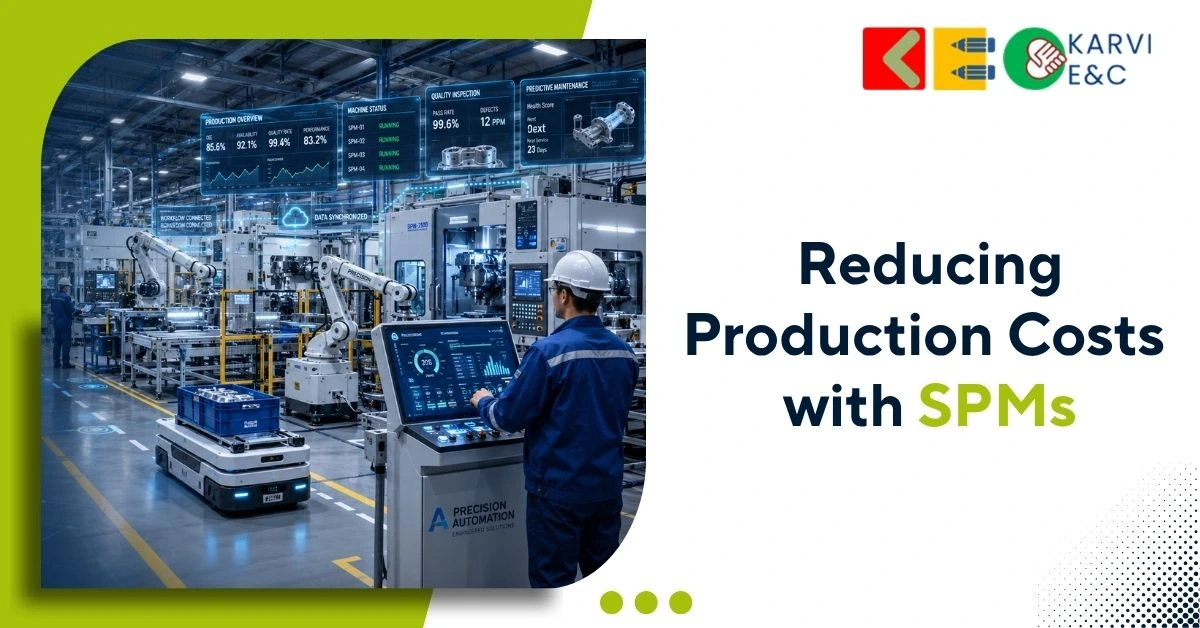
Controlling production costs has become a priority for manufacturers operating in competitive industrial environments. Rising…
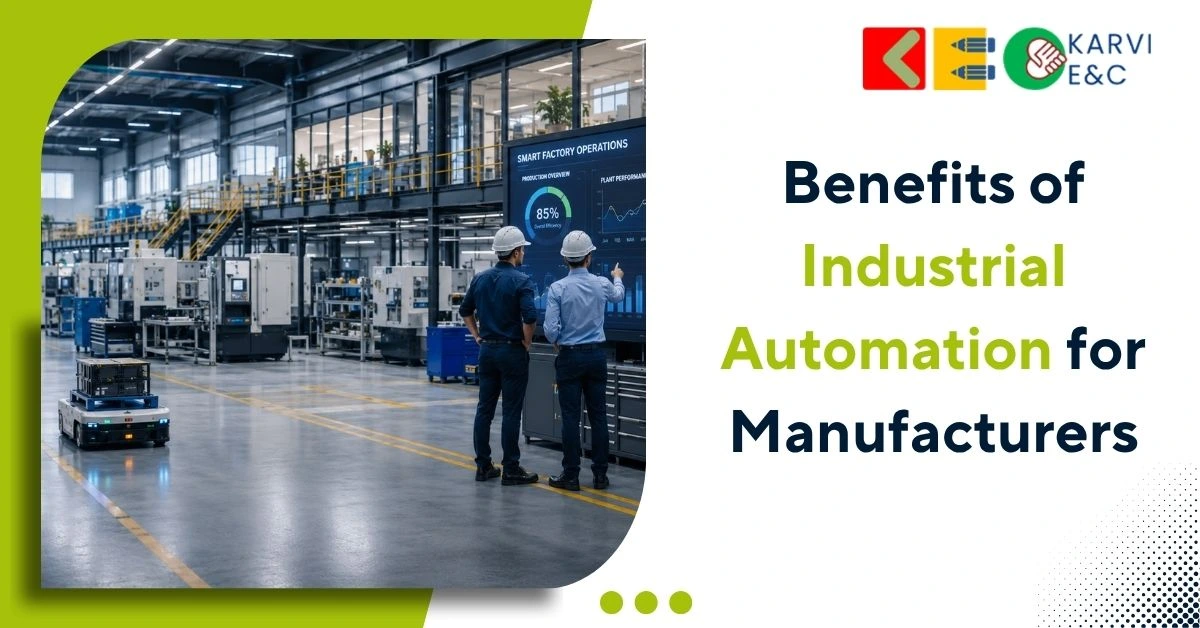
Manufacturing industries are under constant pressure to improve productivity, maintain product quality, reduce operational costs,…