100, Mohangirikrupa estate, Deluxe Wafer Lane, Nr Jupiter Cross Road, GIDC Makarpura, Vadodara


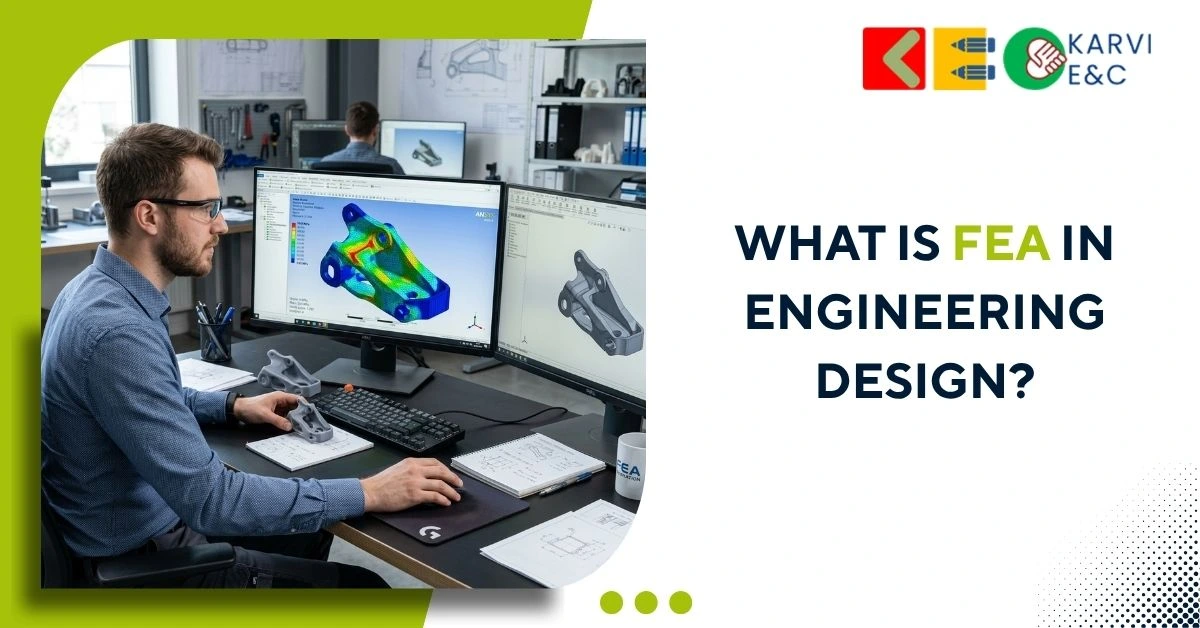
Finite Element Analysis (FEA) has become a cornerstone of modern engineering design, enabling engineers to…
- How-To
- 7 minute read
Manufacturing industries are continuously evolving to improve efficiency, reduce waste, and increase profitability. Companies are now focusing on smarter production systems that streamline operations while maintaining high-quality standards. This shift has made lean methodologies a critical part of modern industrial strategies.
In the center of operational excellence, Lean Manufacturing Solutions help organizations eliminate inefficiencies, optimize processes, and enhance productivity. By focusing on value creation and waste reduction, businesses can achieve sustainable growth and maintain a competitive edge in today’s fast-paced industrial environment.
Importance of Lean Manufacturing in Industry
Industries today face increasing pressure to deliver high-quality products while maintaining cost efficiency and faster turnaround times. Traditional manufacturing systems often include inefficiencies that lead to delays, higher costs, and reduced productivity.
In the center of industrial transformation, Lean Manufacturing Solutions help businesses improve efficiency, reduce operational costs, and enhance production speed. This makes lean manufacturing an essential strategy for organizations aiming to stay competitive in global markets.
Key importance includes:
- Reduced operational waste
- Improved productivity and efficiency
- Faster production cycles
- Better quality control
- Increased customer satisfaction
Core Principles of Lean Manufacturing
Lean manufacturing is built on a set of core principles that guide organizations toward efficiency, waste reduction, and value creation. These principles focus on understanding customer requirements and aligning production processes to deliver maximum value with minimal resources. A structured approach ensures that every activity contributes to productivity and overall business performance.
In the center of operational excellence, Lean Manufacturing Solutions apply principles such as value identification, value stream mapping, continuous flow, pull-based systems, and continuous improvement. These principles help organizations create efficient workflows, reduce delays, and improve product quality. By consistently following these principles, businesses can achieve long-term efficiency, better resource utilization, and improved customer satisfaction.
Key principles include:
- Identify value from the customer’s perspective
- Map the value stream
- Create continuous workflow
- Establish pull-based production
- Pursue continuous improvement (Kaizen)
Types of Waste in Lean Manufacturing
Waste is any activity that does not add value to the final product and negatively impacts efficiency. Identifying and eliminating waste is one of the primary goals of lean manufacturing, as it directly improves productivity and reduces operational costs. Organizations must continuously analyze their processes to detect inefficiencies and unnecessary activities.
In the center of waste elimination, Lean Manufacturing Solutions focus on addressing multiple types of waste such as overproduction, waiting time, transportation, excess inventory, defects, overprocessing, and underutilized talent. Eliminating these wastes improves workflow efficiency, reduces delays, and enhances overall performance. A systematic approach to waste reduction ensures smoother operations and better utilization of available resources.
Common types of waste include:
- Overproduction
- Waiting time
- Unnecessary transportation
- Excess inventory
- Defects and rework
- Overprocessing
- Unused talent
Lean Manufacturing Process Implementation
Implementing lean manufacturing requires a structured and well-planned approach that focuses on continuous improvement and process optimization. Organizations must begin by analyzing their existing workflows, identifying inefficiencies, and understanding areas where improvements can be made. A systematic approach ensures that changes are effective and sustainable.
In the center of execution, Lean Manufacturing Solutions involve a step-by-step strategy that integrates process analysis, waste reduction, and performance monitoring. This approach helps organizations create efficient systems, improve productivity, and achieve long-term operational excellence.
Step 1: Analyze Current Processes
Conduct a detailed evaluation of existing workflows, production cycles, and resource utilization to identify inefficiencies and areas of waste.
Step 2: Identify Value Streams
Map all processes involved in production to distinguish between value-added and non-value-added activities for better optimization.
Step 3: Eliminate Waste
Remove unnecessary steps, reduce delays, and optimize resource usage to improve efficiency and streamline operations.
Step 4: Improve Workflow
Develop a continuous and smooth production flow by eliminating bottlenecks and ensuring better coordination between processes.
Step 5: Implement Continuous Improvement
Establish a culture of ongoing improvement by regularly monitoring performance, analyzing results, and making necessary adjustments.
Looking to optimize your manufacturing processes? Contact us today for Lean Manufacturing Solutions that improve efficiency and reduce waste.
Tools Used in Lean Manufacturing
Lean manufacturing uses various tools and techniques to improve efficiency and reduce waste. These tools help organizations streamline operations and maintain consistent quality.
In the center of operational improvement, Lean Manufacturing Solutions utilize proven tools that enhance productivity and support continuous improvement.
Key tools include:
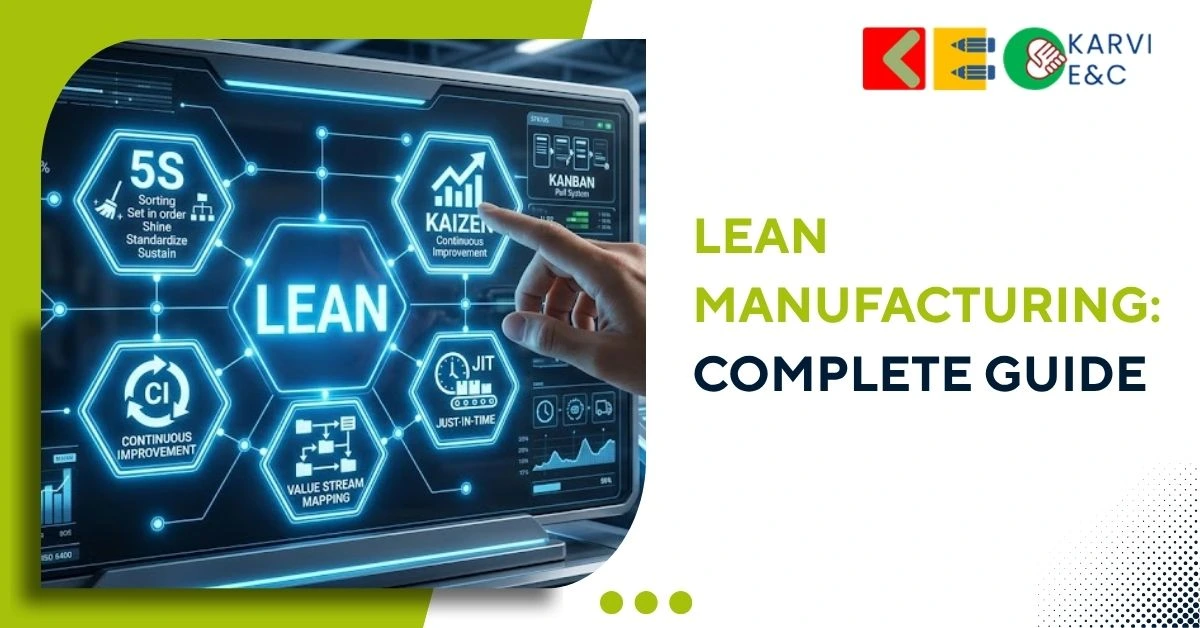
- 5S (Sort, Set in Order, Shine, Standardize, Sustain)
- Kaizen (Continuous Improvement)
- Kanban (Visual Workflow Management)
- Value Stream Mapping
- Just-In-Time (JIT) Production
Benefits of Lean Manufacturing Solutions
Adopting lean manufacturing provides multiple benefits that help organizations improve performance and achieve long-term success. It allows businesses to operate more efficiently while maintaining high-quality standards.
In the center of business growth, Lean Manufacturing Solutions deliver measurable improvements in productivity, cost reduction, and operational efficiency.
Key benefits include:
- Reduced production costs
- Improved product quality
- Increased operational efficiency
- Faster delivery times
- Better resource utilization
Lean Manufacturing vs Traditional Manufacturing
Understanding the difference between lean and traditional manufacturing helps organizations recognize the advantages of adopting modern practices. Traditional systems often focus on mass production, while lean emphasizes efficiency and waste reduction.
In the center of operational strategy, Lean Manufacturing Solutions provide a more flexible and efficient approach compared to traditional manufacturing methods.
| Aspect | Traditional Manufacturing | Lean Manufacturing |
| Focus | Mass production | Waste reduction |
| Inventory | High | Minimal |
| Flexibility | Low | High |
| Efficiency | Moderate | High |
| Customer Focus | Limited | Strong |
Challenges in Lean Manufacturing Implementation
While lean manufacturing offers significant benefits, its implementation can be challenging without proper planning and execution. Organizations may face resistance to change and difficulties in adapting to new processes.
In the center of transformation, Lean Manufacturing Solutions require strong leadership, proper training, and continuous monitoring to overcome challenges and achieve successful implementation.
Common challenges include:
- Resistance to change
- Lack of skilled workforce
- Poor process understanding
- Inconsistent implementation
- Limited management support
Frequently Asked Questions
Lean manufacturing is a methodology focused on reducing waste and improving efficiency in production processes.
They help organizations improve productivity, reduce costs, and enhance overall operational efficiency.
The main principles include value identification, value stream mapping, flow creation, pull system, and continuous improvement.
They streamline processes, reduce inefficiencies, and optimize resource utilization to enhance overall performance.
Industries such as automotive, electronics, construction, and heavy manufacturing benefit significantly from lean practices.
Conclusion
Lean manufacturing has become a vital strategy for industries aiming to improve efficiency, reduce waste, and enhance productivity. It provides a structured approach to optimizing processes and delivering value to customers while maintaining cost-effectiveness.
In the center of long-term success, Lean Manufacturing Solutions help organizations build efficient systems that support continuous improvement and sustainable growth. By implementing lean principles, businesses can achieve higher performance and remain competitive in the evolving industrial landscape.
Adopting lean manufacturing is not just about reducing waste—it is about creating a culture of efficiency, innovation, and continuous improvement. Organizations that embrace this approach can unlock significant growth opportunities and long-term operational excellence.
Lean Manufacturing Lean ManagementLean Manufacturing ManagementLean Manufacturing PrinciplesLean Manufacturing ProductionLean Manufacturing System
Related Posts